El Niño to Cause Harsh Agricultural Challenges in Rayalaseema
The El Niño phenomenon is set to affect Andhra Pradesh's agricultural sector, especially Rayalaseema, by disrupting rainfall patterns and increasing water scarcity. Experts advise farmers to switch to low-water crops while facing growing concerns over current crop yields and future water availability.
Highlights
- •El Niño effects on agriculture in Andhra Pradesh
- •Below-normal rainfall predicted for the region
- •Rayalaseema brace for harsh impacts due to El Niño
- •Farmers advised to switch to low-water crops
The climate patterns associated with El Niño are expected to significantly impact the agricultural landscape of Andhra Pradesh, particularly in Rayalaseema and neighboring districts. According to recent assessments conducted at Acharya N.G. Ranga Agricultural University in Vijayawada, experts predict a below-normal rainfall season this year.
Dr. G. Narayanaswamy, an agrometeorologist from the Rekulakunta Research Centre in Anantapur, highlighted that the latest indicators suggest rainfall distribution will be highly variable. 'We may experience 90 mm rainfall on a single day while other regions could see less than 5 mm,' he said. Such variability raises grave concerns for Rayalaseema, known for its water scarcity issues.
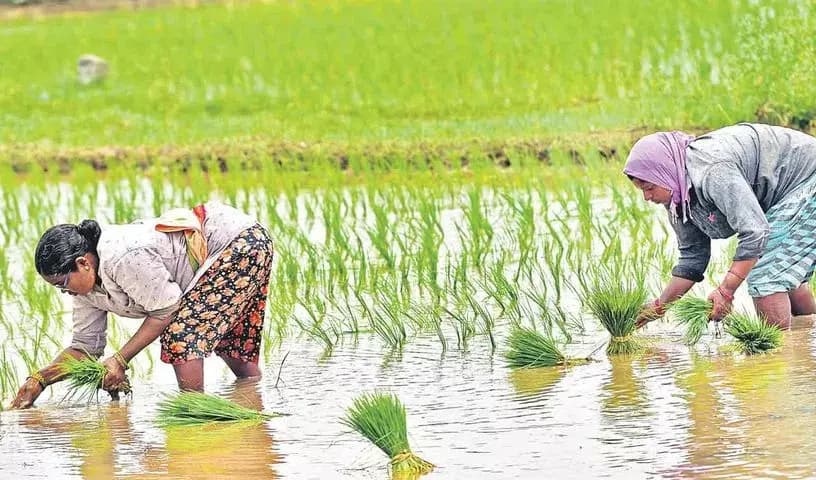
The phenomenon of El Niño is anticipated to begin post-June 15 and continue until September, disrupting the southwest monsoon. Agricultural experts have cautioned farmers to shift towards low-water-intensive crops like sorghum and short-duration varieties. They advise against planting thirsty crops such as paddy, groundnuts, banana, and papaya.
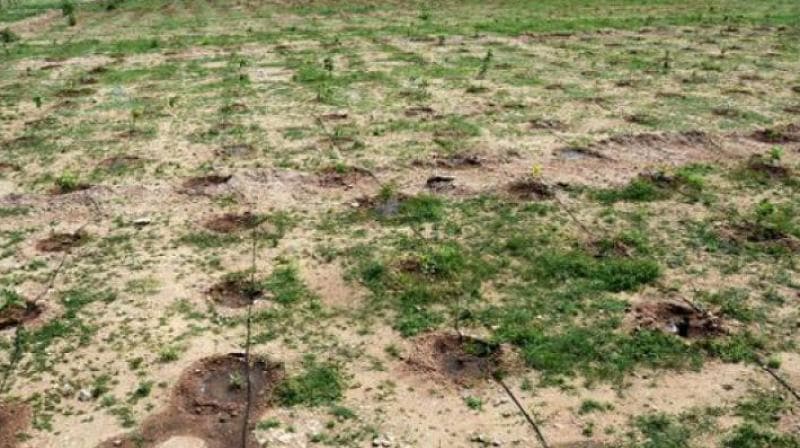
Rayalaseema districts—Anantapur, Kurnool, Kadapa, and Chittoor—are bracing for a significant decline in kharif season cultivation due to the El Niño effect. While over 15,000 hectares could be under cultivation, ongoing water shortages exacerbate farmers' concerns about future crop yields.
Farmers from Banaganapalle and surrounding areas have already faced hardships this year. S. Sivasankar expressed worry over declining groundwater levels: 'Water levels in our borewells have dropped drastically; we fear no new wells will yield water,' he said. The region's horticulture sector has suffered as well, with unseasonal rains causing severe losses to banana, mango, and papaya farmers.