El Nino Climate Event Set to Disrupt Indian Monsoon Through 2027
The persistent El Nino event is causing a weak start to the Indian monsoon and is projected to impact agricultural operations and marine environments until February 2027. Scientists warn of potential disruptions to fisheries, coastal stability, and broader climate patterns across the region.
Highlights
- •El Nino is projected to persist in the central Pacific until February 2027.
- •The current southwest monsoon has seen a significantly deficient start across India.
- •Marine ecosystems and fisheries in the Bay of Bengal face potential disruption.
- •Incois data warns of increased risks of marine heatwaves and coastal erosion.
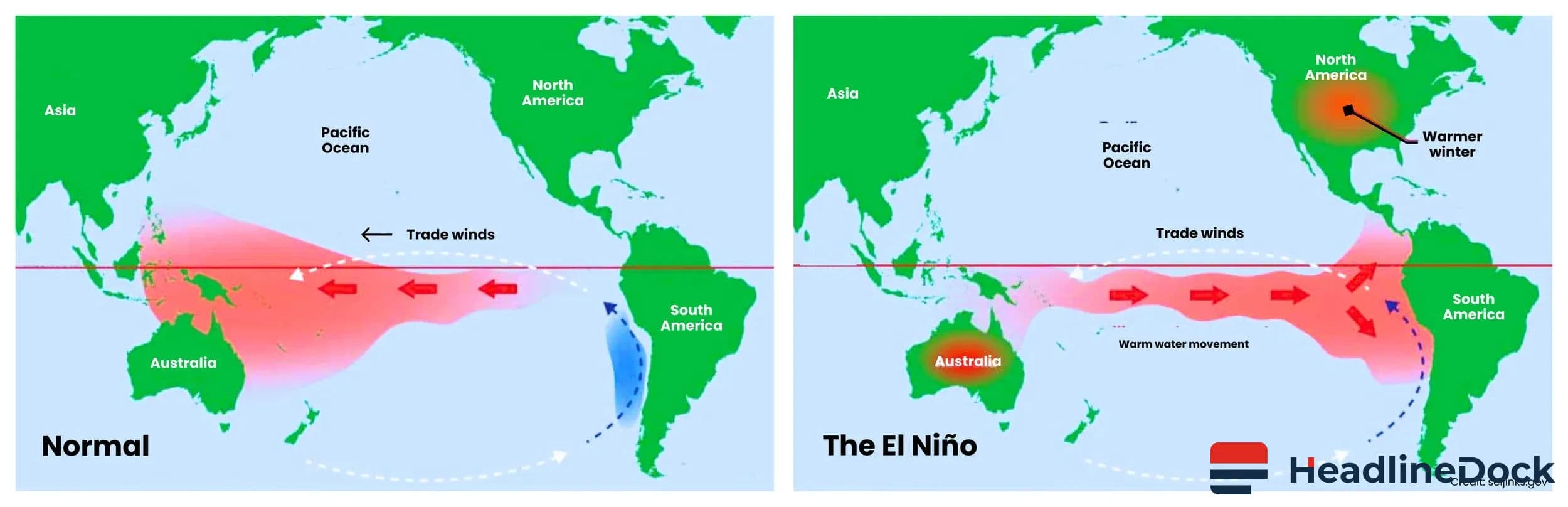
The persistence of the El Nino weather phenomenon is raising significant concerns for India's agricultural sector. As the central Pacific Ocean remains caught in this climatic pattern, the onset of the southwest monsoon has been notably deficient, threatening the stability of agricultural operations across the country through 2027.
Impact of Extended El Nino Conditions
According to the latest findings from the Indian National Centre for Ocean Information Services (Incois), the El Nino event is projected to maintain its dominance from June 2026 until at least February 2027. Experts estimate there is a 70 to 90 percent probability of this sustained phase, which suggests a challenging road ahead for seasonal weather patterns. The potential for the 2027 Indian monsoon to face negative impacts is a growing worry among meteorologists who monitor long-term oceanic indices like the Nino 3.4.
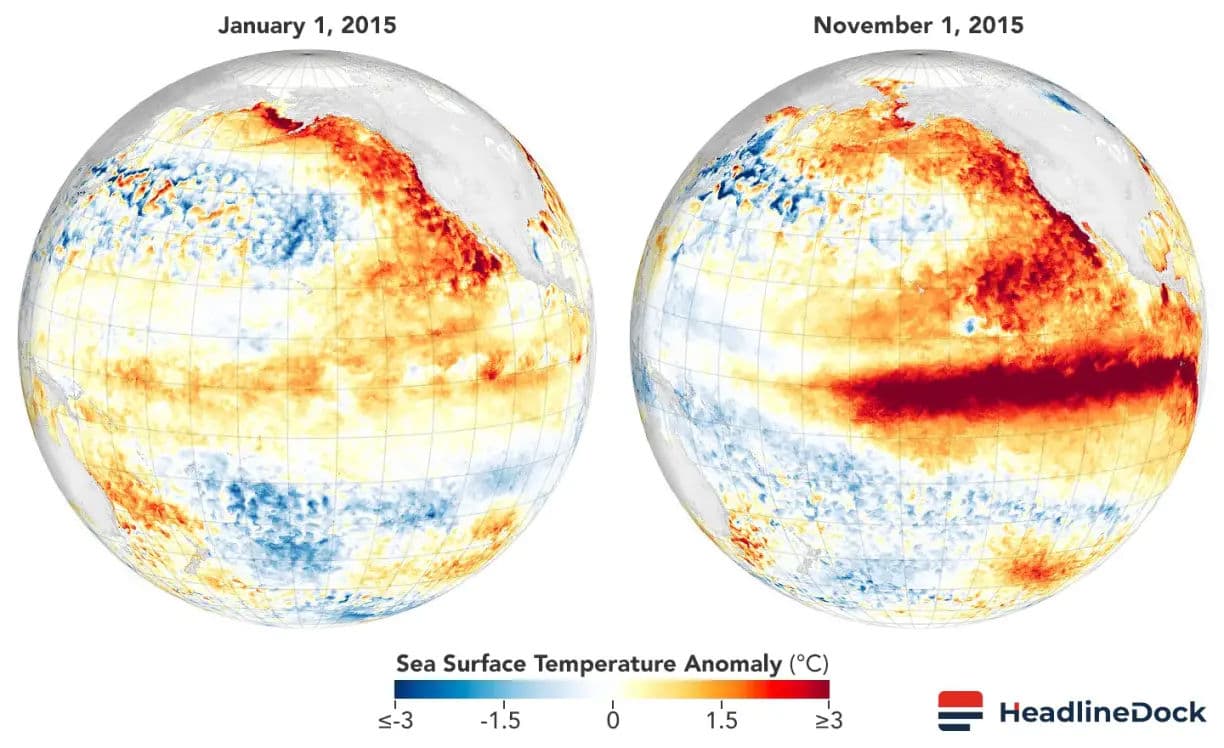
This prolonged weather event is not merely a land-based concern but also poses serious risks to the marine environment. Elevated sea surface temperatures in the North Indian Ocean are expected to increase upper-ocean heat content, which leads to stronger stratification. Consequently, researchers warn of a higher likelihood of marine heatwaves, which could severely disrupt coastal ecosystems and local fisheries.
Consequences for Marine Life and Coastal Regions
The impact on the fishing industry in the Bay of Bengal could be particularly acute, with anticipated declines in the populations of two specific fish species. High wind-sea conditions are also expected, potentially complicating the upcoming fishing season. Furthermore, coastal areas may encounter localized challenges such as increased erosion, severe flooding, and dangerous storm surges during extreme weather events.
Conversely, the Arabian Sea is expected to experience a different outcome. Forecasts suggest that the western Indian coast will likely witness relatively calm ocean conditions, providing extended fair-weather windows for various maritime activities. Despite these localized differences, the overall consensus remains cautious, as deep learning weather models underscore the persistence of these oceanic changes. The ongoing El Nino crisis serves as a stark reminder of how interconnected our climate systems are, influencing everything from national food production and agricultural livelihoods to the delicate balance of life within our surrounding oceans.