Diljit Dosanjh's 'Aroma' Faces Backlash for Transphobic Lyrics
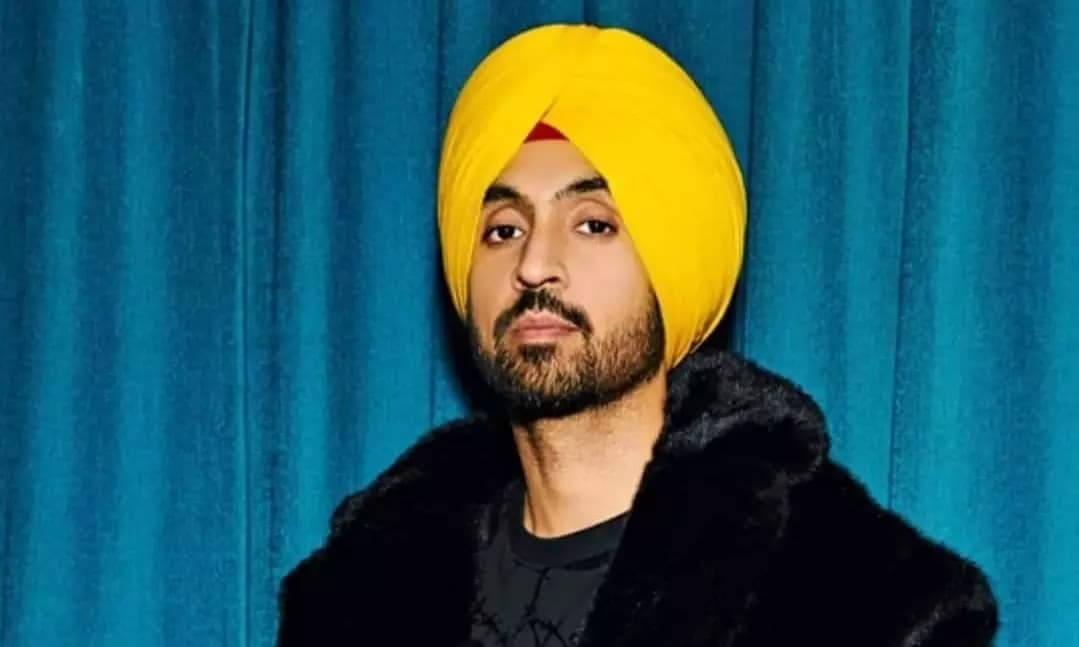
Diljit Dosanjh's song 'Aroma' faces criticism for its transphobic lyrics that surfaced during Pride Month, highlighting the need for sensitivity in music and public figures.
Highlights
- •Diljit Dosanjh's 'Aroma,' a collaboration with Raj Ranjodh and Tru-Skool.
- •Controversy arises amid Pride Month due to transphobic lyrics, specifically the use of 'chakka'.
- •Social media critics emphasize responsibility of public figures.
- •The incident questions the impact and responsibilities in crafting such content.
Indian-Punjabi singer Diljit Dosanjh's latest collaboration, 'Aroma,' which was released on April 23rd alongside Raj Ranjodh and Tru-Skool, has faced intense backlash for potentially transphobic lyrics that surfaced during Pride Month. This controversy
Challenging Language: The Power of Words
Multiple listeners identified a song's verse as problematic, which states:
"oh mardaan di gall hundi yakkyaan di nai Jurrataan di talk hundi chakkyaan di nai."
The translation of this line is: "There are talks of men, not of weaklings. This is the talk of courage, not of 'chakke' supposedly used as 'cowards".
Social media reactions were swift and critical. Actor Manish Poonam criticized Dosanjh's song in an Instagram story, expressing disappointment: "Courage and men don't go along each other. Hoping this move would make you more of a man. Shame."
Moreover, another social media user emphasized the responsibility of public figures: "He is working in the entertainment industry, which is built, shaped, and sustained by countless queer people. I am so confused, why did nobody question it before its release? Did no one stop to think about the message it sends.
This controversy came weeks after the song's release, when listeners realized the offensive nature of certain lyrics during translation. They initially had been enjoying the track without fully comprehending its implications.
Influence and Responsibility
The controversy raises critical questions about the responsibility of public figures in their words and actions. It exemplifies how music, although celebrated for entertainment, often reflects societal attitudes and perpetuates harmful stereotypes when not carefully crafted or vetted.
"Amazing, like in a country where people are just fighting to get their mere share of equality, their huge figures like this use words casually without thinking about anyone's sentiments. We are evolving day by day," another social media user lamented, adding: "Happy Pride Month."