Delayed Monsoon Hits Telangana Kharif Season; Sowing Drops by 60%
A severe monsoon delay in Telangana has reduced Kharif season sowing by 60%. With rainfall 31% below normal, officials are urging farmers to limit water-intensive crops like paddy and switch to drought-resistant varieties to safeguard the agricultural yield for the current season.
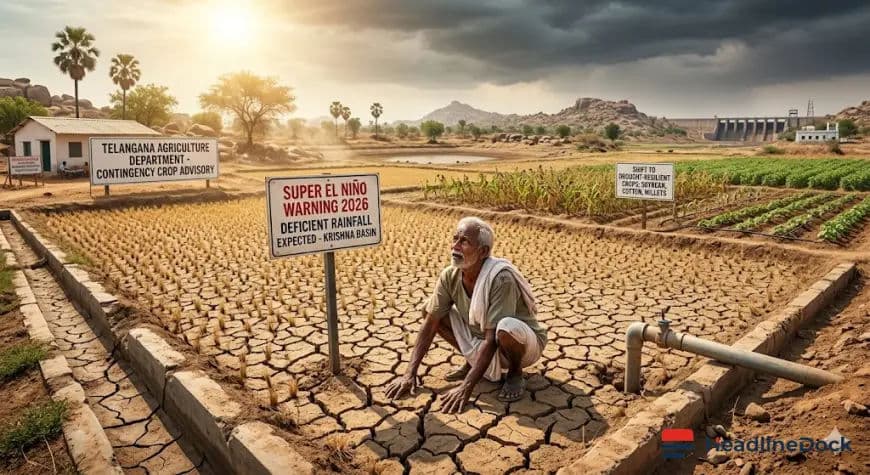
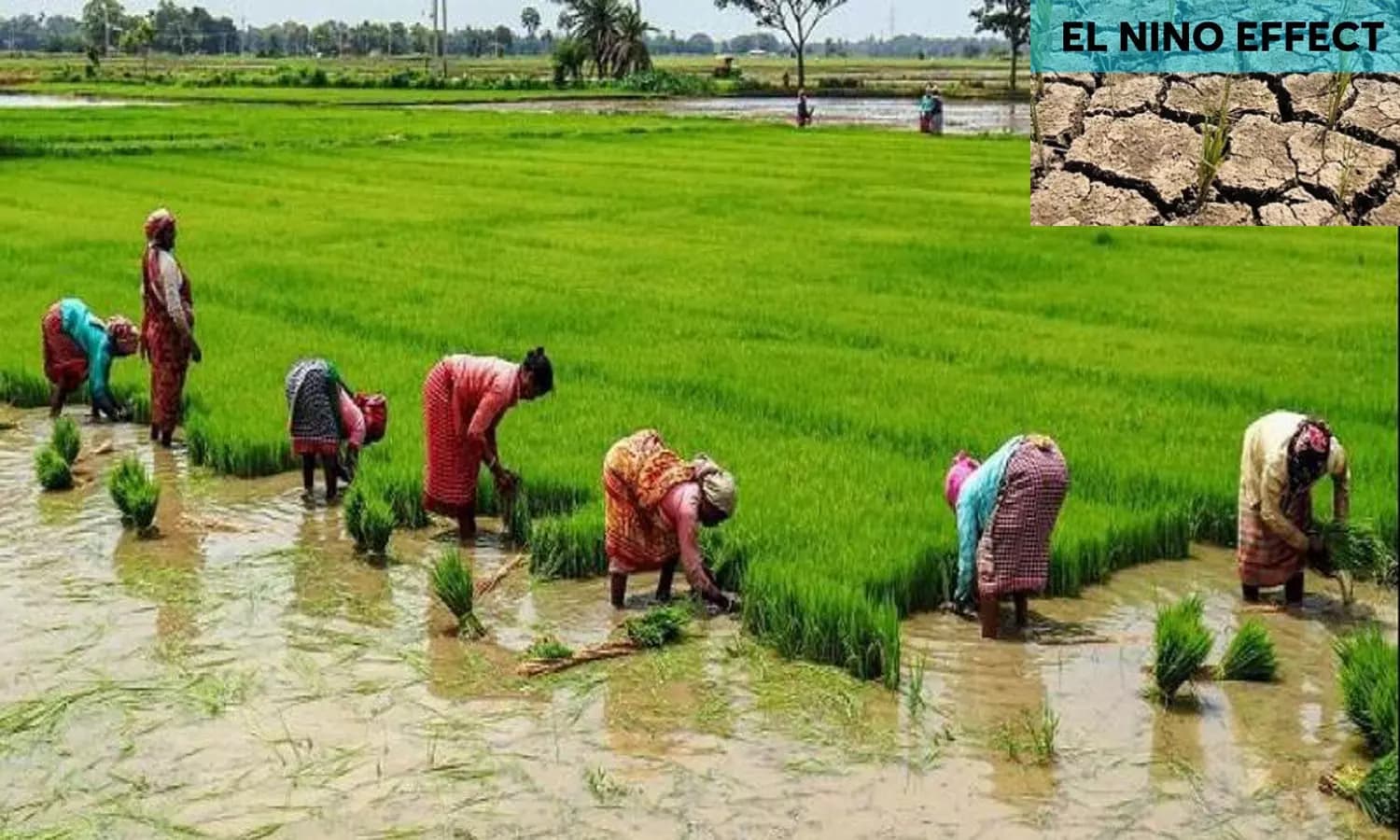
The agricultural landscape in Telangana is facing significant challenges as the Kharif season begins, largely due to a delayed and deficient monsoon. Farmers across the region are grappling with a sharp decline in sowing activities, which has dropped by nearly 60% compared to this time last year. This drastic reduction in Kharif season planting is raising concerns about the state's agricultural productivity and the overall food supply chain.
Impact of Monsoon Deficiency on Farming
According to reports from the agriculture department, the cumulative rainfall in Telangana from June 1 to June 23 reached only 65.3 mm, significantly lower than the expected normal of 94.6 mm. This represents a rainfall deficit of approximately 31 percent. Officials have noted that last year, sowing was well underway by mid-June, with about 25.30 lakh acres already planted. In contrast, only 10.20 lakh acres have been sown during the current season.
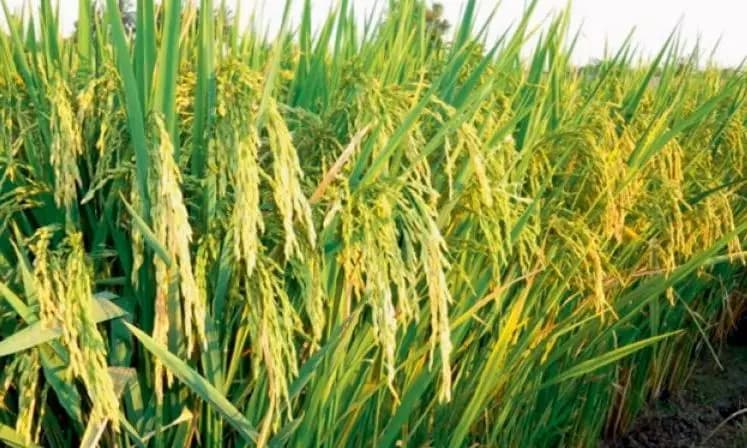
The shortfall is particularly evident in paddy cultivation. While farmers had planted paddy in nearly 60,000 acres by June 22 last year, the figure for the current season stands at a mere 10,000 acres. The intermittent nature of the monsoon rains, characterized by long gaps between spells, has severely hindered field operations and forced a shift in agricultural strategies.
Strategies for Farmers Amidst Water Scarcity
With ongoing uncertainty regarding water availability, government officials are actively discouraging farmers from prioritizing paddy. Instead, authorities are emphasizing the need to minimize water-intensive crops. For farmers who insist on planting paddy, the recommendation is to significantly reduce acreage—by as much as two-thirds—to ensure that available water resources are used efficiently. The reliance on surface irrigation is considered risky, meaning farmers must carefully assess their dependence on groundwater.
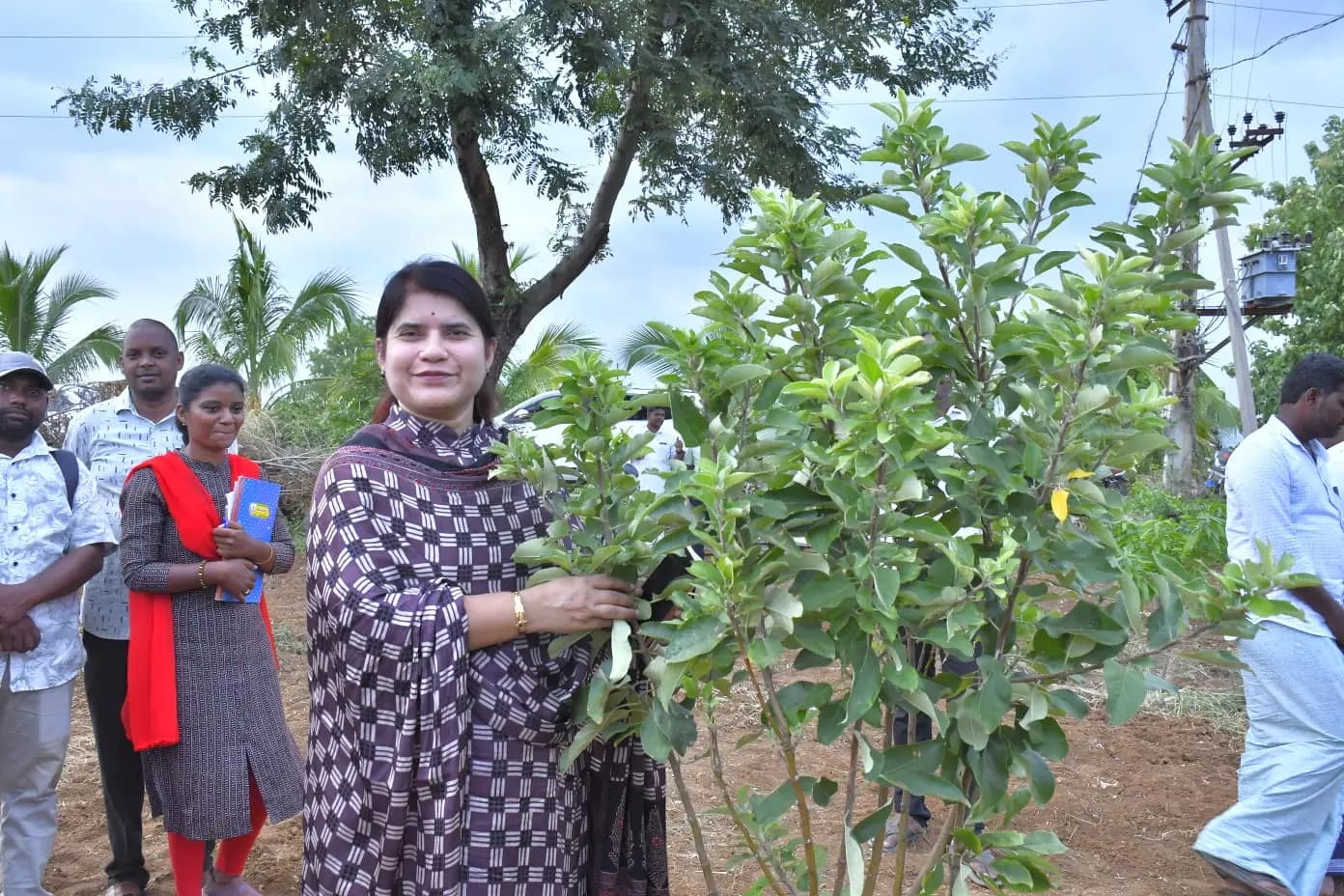
To assist the farming community in navigating this difficult climate, the agriculture department has launched initiatives including seed melas starting from June 23. These events are designed to encourage the adoption of short-duration crop varieties that are better suited for rainfed soils and possess higher drought resistance. Cotton currently accounts for approximately 42 percent of the total sown area, as farmers look for alternatives to traditional paddy to mitigate potential crop loss. The situation remains critical, and the government is urging caution as the state monitors the progression of the monsoon in the coming weeks.
,curated_key_highlights:[