Debunking the Myth of Supernatural Influence in High-Stakes World Cup Football

Amidst rising debate over spiritual interference in football, experts argue that match results depend on tactical training rather than rituals. While figures like Nana Kwaku Bonsam stir media interest, the focus remains on the professional efforts of the Colombian and Ghanaian teams.
KEY TAKEAWAYS
1 MIN READ- Traditional beliefs regarding spiritual influence in sports have emerged as a major media talking point ahead of the knockout match.
- Community voices emphasize that football outcomes are determined solely by player performance, training, and tactical preparation on the pitch.
- Practitioners like Nana Kwaku Bonsam are widely viewed as entertainment figures who generate digital buzz rather than real-world impact.
- The match represents a significant strategic encounter featuring Ghana, managed by Carlos Queiroz, facing a well-prepared Colombian side.
As the anticipation for a pivotal World Cup match intensifies, the narrative surrounding Gustavo Puerta and the potential influence of external spiritual forces has become a trending subject. While fans and media weigh the possibility of supernatural interference from traditional practitioners like Nana Kwaku Bonsam—a figure famous for claiming influence over international football outcomes—community leaders are stepping forward to re-center the conversation on athletic merit.
The Clash Between Superstition and Strategy
The rise of these narratives often highlights a fascinating intersection between cultural traditions and modern sports. In Ghana, traditional practices hold a distinct place within a society where ancestral beliefs frequently coexist with mainstream religious views. However, when these stories migrate into the global football arena, they are frequently treated as sensationalist entertainment rather than genuine tactical threats. Experts and observers suggest that while these myths provide a compelling storyline for the media, they hold no weight compared to the physical preparation and tactical discipline of the players on the field.
Local figures, such as Father Alexander Brand, have been vocal in dismissing the weight of such superstitions. Emphasizing that success in football is defined strictly by performance on the pitch, he argued that attributing outcomes to spells or rituals diminishes the immense hard work, training, and strategic execution invested by athletes. For the Colombia national team, the path to the knockout stages was built on consistent performance and a solid, invicta record during the group phase, rather than external factors.
Focusing on the Pitch
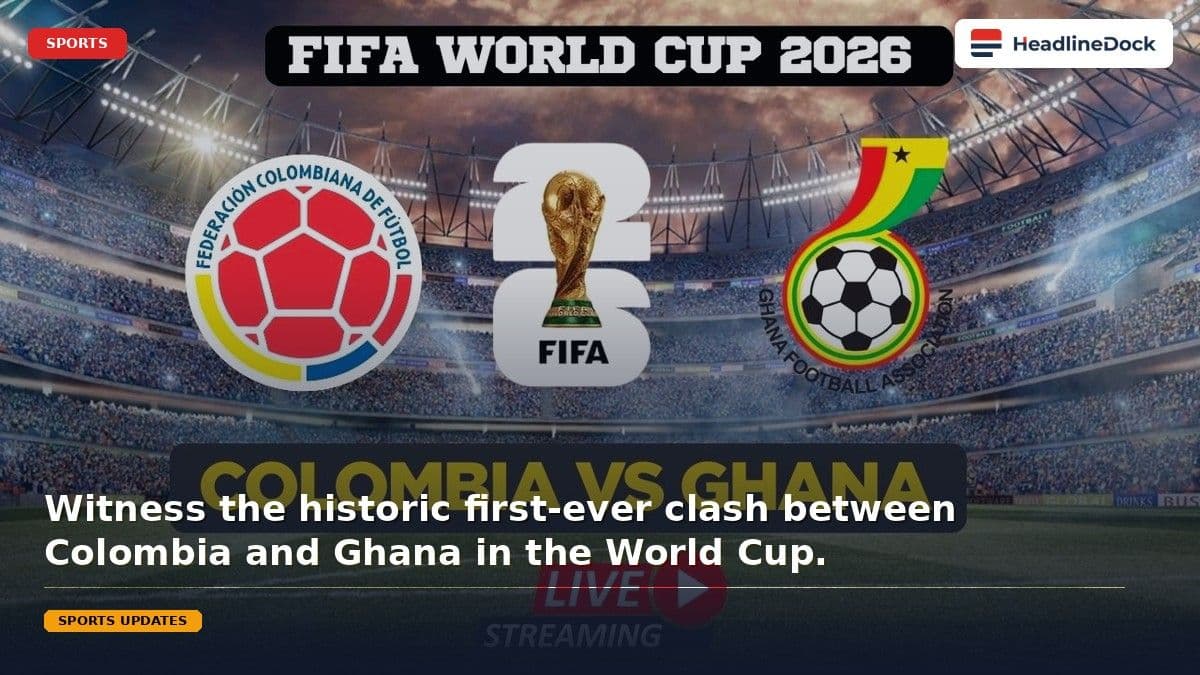
The upcoming match is notable as it marks an official FIFA competition debut between these two nations. Interestingly, the Ghana squad is led by Carlos Queiroz, a manager well-acquainted with Colombian football. This adds a layer of professional intrigue that arguably outweighs the surrounding digital chatter about curses or charms.
While some fans may choose to hold onto lucky charms or engage in spiritual rituals as part of their personal match-day routines, the reality of the game remains firmly in the hands of the players. The consensus among football analysts and the team management is clear: professional preparation and team cohesion are the true architects of victory. As the countdown to the kickoff begins, the attention shifts away from the claims of traditional priests and toward the tactical battles that will ultimately decide which team advances. In the end, the outcome will be written by the players' efforts, not by the influence of any external rituals or the superstitions that swirl around the beautiful game.