Could Nature Have Legal Rights? The Proposed Constitutional Shift in Mauritius
Mauritius is debating a historic constitutional reform that would grant legal rights to nature. This shift aims to strengthen environmental protections, address ecological challenges like reef degradation, and ensure sustainable development by recognizing the intrinsic value of the island's ecosystems.
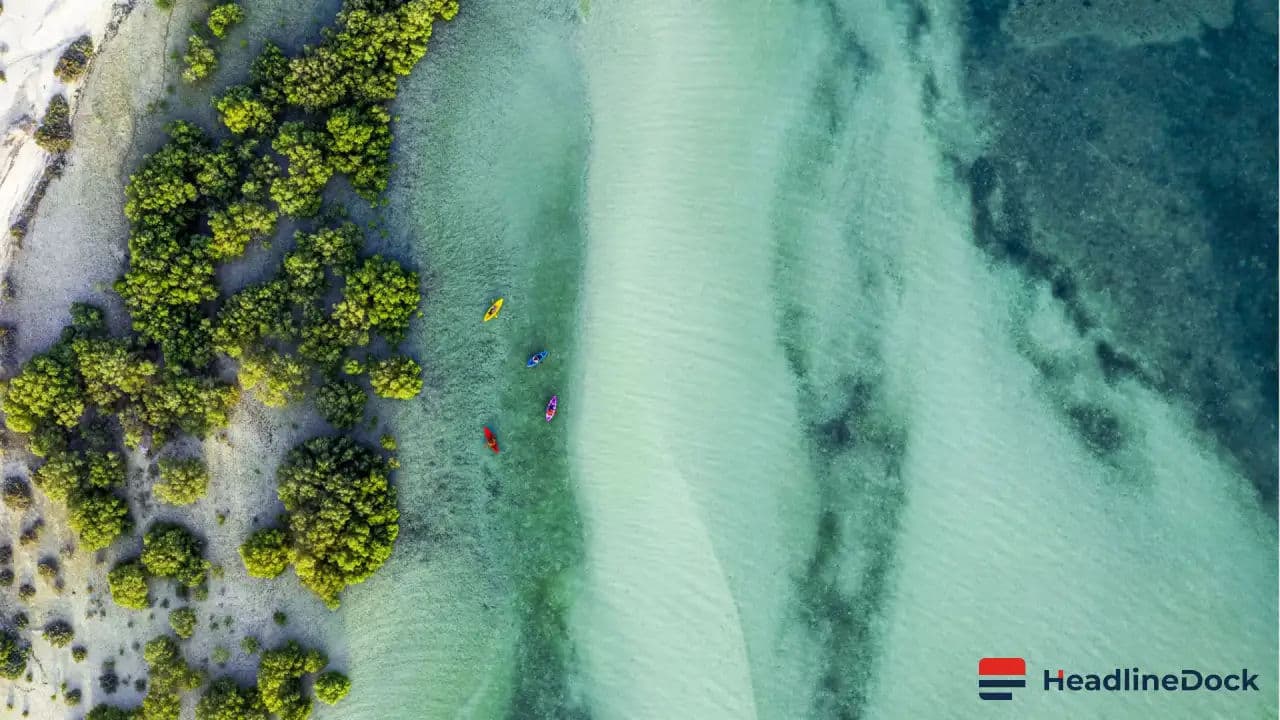
Constitutional reforms rarely capture public attention, yet a new debate in Mauritius is challenging the nation to reconsider its fundamental relationship with the natural world. Legislative discussions are currently underway regarding a proposed amendment to incorporate the rights of nature into the national Constitution. This initiative raises a profound question: is current legal framework sufficient to navigate the environmental realities of the 21st century?
For many years, Mauritius has implemented various statutes to safeguard its environment, including the Environment Protection Act 2024. However, significant events such as the 2020 MV Wakashio shipwreck, coupled with ongoing coastal erosion and the decline of coral reefs, have exposed the vulnerability of the island's ecosystems. For a small island nation, environmental health is intrinsically linked to food security, economic stability, and climate resilience.
Understanding the Legal Rights of Nature
The concept of rights of nature may appear unconventional, as it seeks to extend legal personhood to natural elements like rivers, forests, or reefs. In traditional law, entities such as corporations or associations hold legal personality, allowing them to engage in litigation or contracts. Proponents of this reform argue that specific ecosystems should similarly be recognized as subjects of rights—such as the right to exist, function, or undergo restoration after damage.
While the notion seems abstract, it is gaining global momentum. Ecuador incorporated these rights into its Constitution in 2008, and the Whanganui River in New Zealand has been granted a unique legal status. These precedents demonstrate that recognizing nature's legal rights is a shift toward acknowledging the deep interdependency between human prosperity and environmental integrity. It is not about creating a conflict, but rather ensuring that development strategies prioritize the protection of the ecosystems that sustain society.
Impacts and Future Implications
If adopted, this reform would likely establish environmental protection as a constitutional duty for the state. Consequently, the government would be mandated not only to regulate pollution but to actively prevent ecological harm and oversee necessary restoration efforts. This could reshape land use planning, transport, and economic development policies. Furthermore, businesses would likely face more stringent requirements regarding environmental impact assessments and sustainability obligations.
Citizens and civil society organizations may also experience a shift in their capacity to defend local environments in court. Recent legal developments, such as the Eco Sud case heard by the Privy Council, have already begun to broaden the grounds for public interest litigation. Implementing the rights of nature could streamline access to environmental justice while fostering better public participation in critical decision-making processes. Ultimately, this debate in Mauritius forces a national conversation about the legacy of natural heritage and how to effectively balance human advancement with the preservation of vital biodiversity.
,curated_key_highlights:[