Computer Science Dominates 71% of Telangana Engineering Admissions in 2026
Computer Science and related technologies dominate Telangana's 2026 engineering intake, securing 71% of all available seats. As the TG Eapcet counselling process begins, data reveals a major shift toward AI, Data Science, and IT-focused academic programs across the region.
Highlights
- •Computer Science and related branches comprise 71% of total engineering seats in Telangana.
- •Out of 81,620 seats, 58,038 are allocated to tech-centric fields like AI and Data Science.
- •Traditional fields like Civil and Mechanical engineering account for only 8.4% of total capacity.
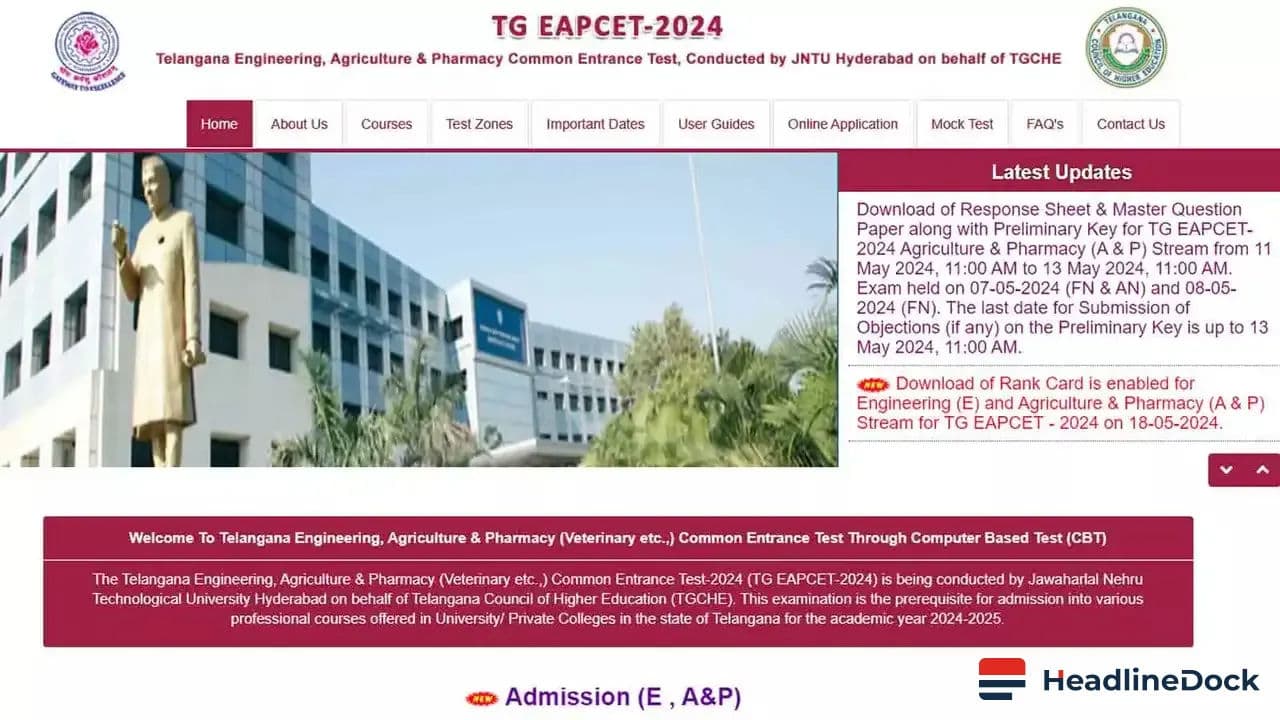
- •The counselling process for TG Eapcet-2026 has begun, with web options open until July 1.
The landscape of higher education in Telangana is currently being reshaped by a significant surge in interest toward technology-driven disciplines. According to recent data provided by the technical education department, Computer Science has firmly established itself as the primary focus for students entering engineering programs across the region.
Dominance of Tech-Centric Engineering Degrees
As the initial phase of the TG Eapcet-2026 counselling process commences, statistics indicate that Computer Science and its associated specializations account for approximately 71 percent of all available seats. Out of 81,620 total seats distributed across various universities and private institutions, a commanding 58,038 seats are dedicated to fields including Computer Science, Artificial Intelligence, Data Science, and Information Technology.
This overwhelming demand for digital-age skill sets highlights a clear shift in academic preferences among students. Conversely, traditional disciplines face a much smaller share of the enrollment pool. Electronics and Electrical branches currently offer 15,795 seats, which represents 19.4 percent of the total capacity. Meanwhile, foundational streams such as Civil, Mechanical, and their allied branches account for 6,871 seats, making up 8.4 percent of the intake. Highly specialized programs—including Mining, Agricultural, Biotechnology, Food Technology, and Chemical engineering—collectively hold a minor portion, providing just 916 seats or 1.1 percent of the total available quota.
Breakdown of High-Demand Specializations
Within the broad spectrum of Computer Science, specific sub-branches are witnessing varying levels of capacity. Standard Computer Science and Engineering (CSE) remains the leader, with 27,431 seats or 33.6 percent of the total. It is closely followed by Computer Science and Engineering focused on Artificial Intelligence and Machine Learning, which offers 13,537 seats (16.6 percent). Electronics and Communication Engineering (ECE) holds 10,851 seats, while the Data Science specialization accounts for 7,479 seats.
At the lower end of the spectrum, niche technical courses such as integrated mechanical programs, Agricultural Engineering, Geo Informatics, and Electronics and Telecommunication Engineering currently have limited intake, with only 21 to 30 seats allocated per course. With the counselling process now active, the technical education department notes that 84,002 candidates have already paid the necessary processing fees and reserved their time slots. As of June 24, 36,393 students have successfully completed their certificate verification. The window for candidates to exercise their web options for course selection remains open until July 1.