Citizenship Education: Why Primary School Children Are Ready for Political Discussion
New research reveals that primary school children have the capacity to think critically about politics and democracy. Experts suggest that integrating citizenship education can foster democratic trust if schools prioritize dialogue and respect for children's perspectives over mere obedience.
Highlights
- •Citizenship education for primary school children aims to foster early democratic understanding.
- •Research shows children between five and nine can engage deeply with complex concepts of justice and equality.
- •Current educational approaches often dismiss children's voices, treating them as passive learners rather than active contributors.
- •Using literature and dialogue can empower children to participate in political and social discussions.
Establishing a sense of democratic engagement and social cohesion is becoming increasingly important in modern society, especially as political polarization and skepticism toward institutions continue to grow. While schools are often viewed as vital hubs for fostering civic participation, citizenship education remains a largely neglected area for younger students. Often, children are unfairly viewed merely as future citizens, rather than individuals capable of contributing to democratic discourse in the present.
Recent policy proposals aim to introduce mandatory citizenship education into primary schools in England. This initiative would cover key themes such as human rights, democracy, media literacy, and climate change. However, experts warn that there is a significant risk that such programs could prioritize the memorization of state-approved facts rather than encouraging authentic debate, critical thinking, and genuine participation in school life.
Young Children Possess Political Awareness
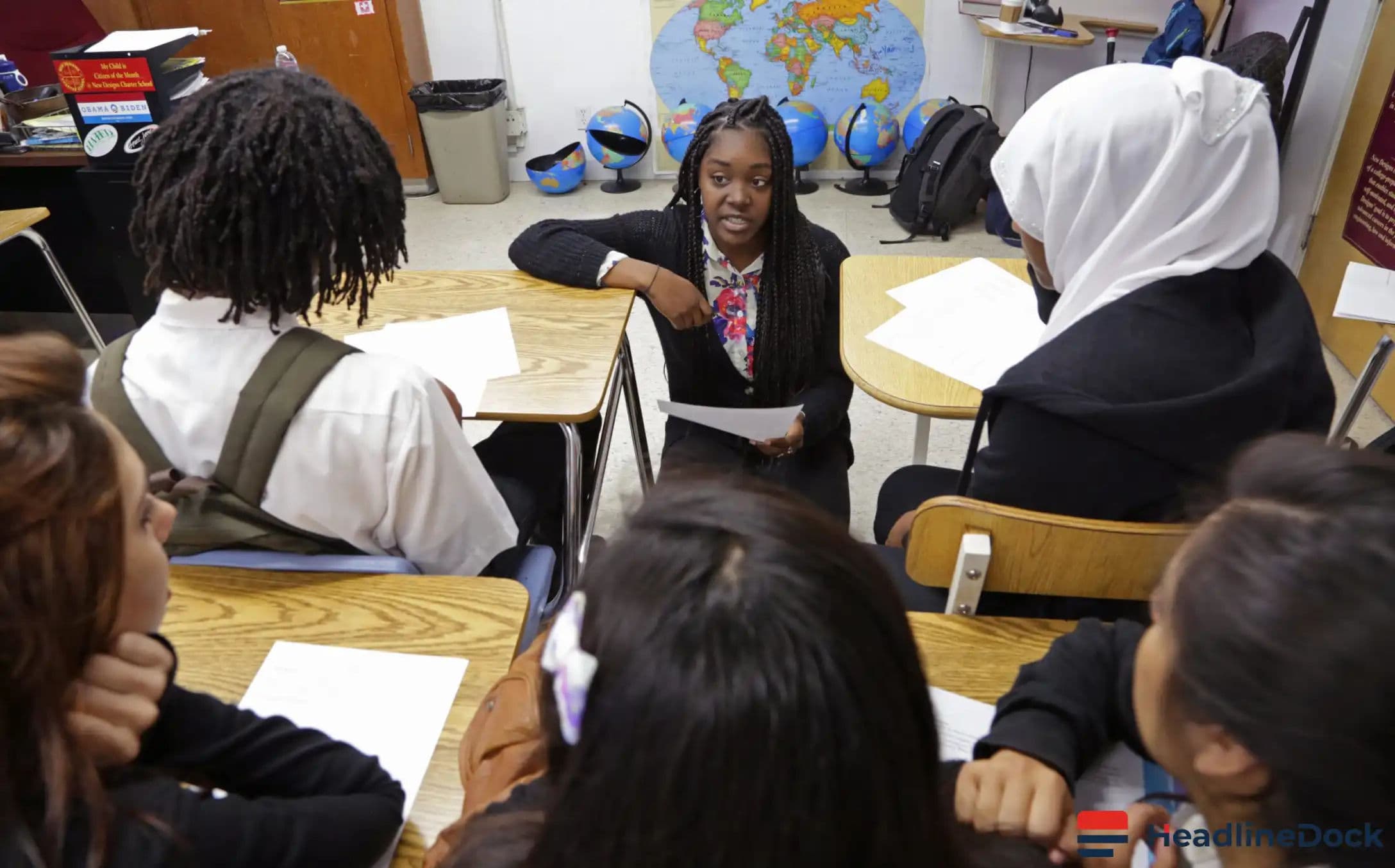
Research led by Dr. Rebecca Simpson-Hargreaves indicates that children between the ages of five and nine are not only ready to engage with complex political concepts but are already doing so. Through the use of tools like picturebooks, such as the Amnesty International publication Dreams of Freedom, educators can create safe environments for children to discuss justice, equality, and the responsibilities of living in a global community. These discussions show that even very young students are capable of profound insights, such as understanding that true freedom must be balanced with the responsibility of not harming others.
Beyond abstract concepts, children are keenly aware of how power dynamics operate in their daily lives. Many students reported that their perspectives are frequently overlooked or dismissed by adults, who often assume that young people lack the maturity to understand societal issues. This awareness serves as a clear indicator that children are already processing their own roles within the broader social order. When prompted to discuss problems like homelessness, children frequently proposed logical, value-based solutions, demonstrating a nascent but clear sense of political agency and concern for fairness.
If the goal of education is to strengthen democratic trust, then schools must evolve. The current approach, which often relies on strict behavioral systems that emphasize conformity, does not provide enough space for the authentic negotiation of differing viewpoints. To foster true democratic participation, classroom environments must shift toward a model where children are treated as active contributors rather than passive recipients of information. By utilizing resources like children's literature to spark dialogue, educators can tap into a student's natural capacity for empathy and justice. Ultimately, building a more cohesive society requires adults to take the political thinking of children seriously and create meaningful opportunities for them to be heard.