Chittoor and Tirupati Highways Lack Dedicated Trauma Care Facilities for Accident Victims
Chittoor and Tirupati districts are struggling with a lack of dedicated trauma care facilities along their national highways. With high accident rates, experts and locals are urging the government to expedite the creation of these critical emergency response centers to save lives.
Highlights
- •Chittoor and Tirupati lack dedicated trauma care centers despite high accident rates on 12 national highways.
- •Roughly 50 to 55 lives are lost monthly in road accidents, with nearly 1,400 annual injuries recorded.
- •Medical experts stress the necessity of 'golden hour' care, which is currently hindered by the need to transfer patients between hospitals.
- •Despite multiple proposals for centers in various towns, infrastructure development has yet to materialize.
The regions of Chittoor and Tirupati are facing a critical healthcare infrastructure challenge as they currently lack any dedicated trauma care facilities along their extensive network of national highways. Given that these districts serve as vital transit corridors for thousands of pilgrims and motorists daily, the absence of specialized emergency care has become a pressing concern for public safety.
The Urgent Need for Specialized Trauma Care
Official statistics reveal a grim reality regarding road safety in the area, with 12 national highways crisscrossing these two districts. Annually, these roads witness nearly 1,400 injuries, while monthly fatalities range between 50 and 55 individuals. Medical professionals emphasize the importance of the “golden hour”—the crucial first 60 minutes following a serious accident—which is often the deciding factor in patient survival rates and long-term recovery outcomes.
According to Dr. V. Rajendran, a specialist in trauma care, these dedicated units are essential because they house multidisciplinary medical teams, including orthopedic surgeons, specialized anesthetists, and emergency care experts. Without these facilities, victims frequently suffer from dangerous delays, as they are often transferred between multiple hospitals before receiving definitive, life-saving treatment.
Infrastructure Gaps and Proposed Solutions
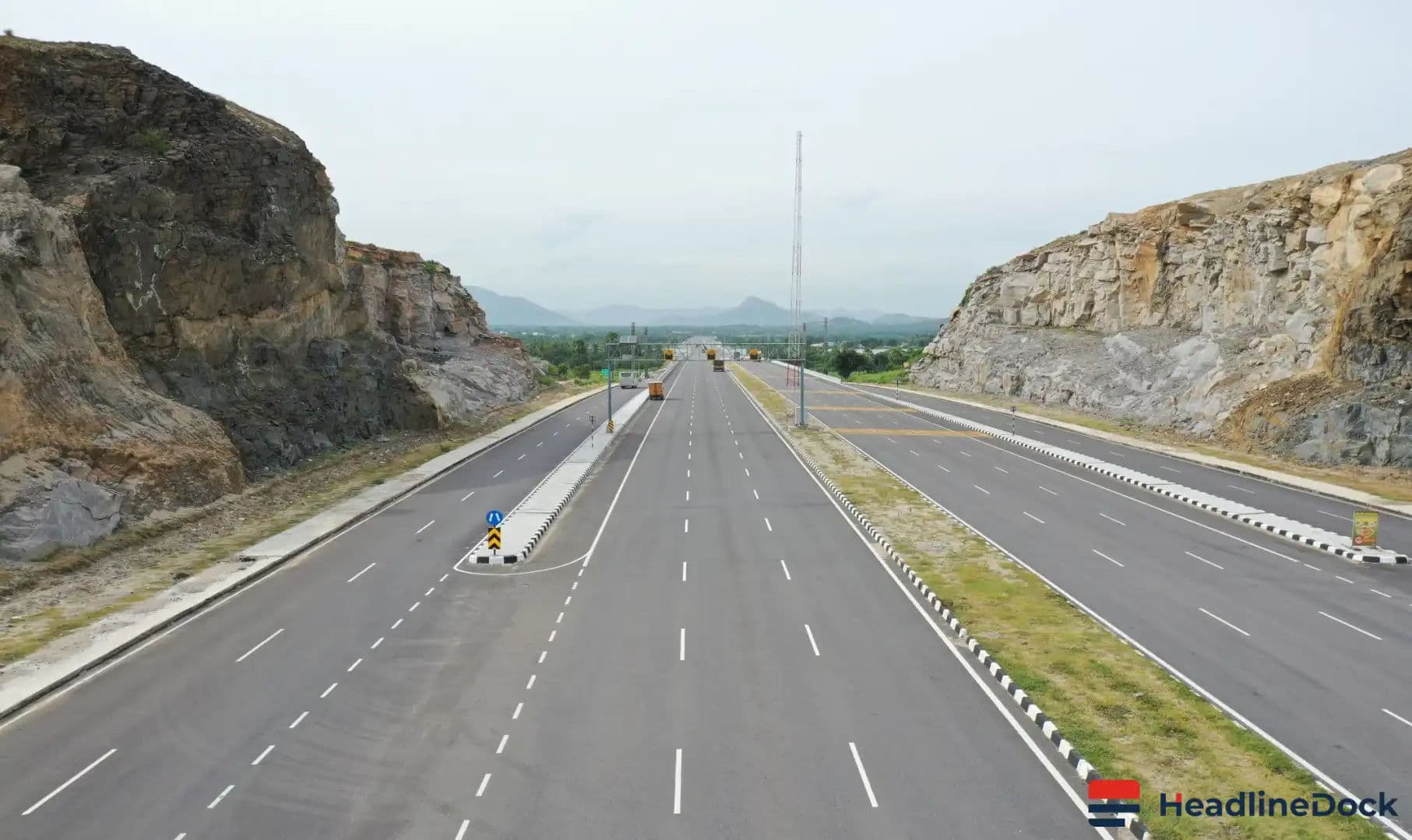
The geography of the region, which includes Tirupati being connected by seven national highways and Chittoor by five, presents a unique challenge for emergency responders. High-traffic, accident-prone zones such as the Tirupati–Chennai highway, the Puthalapattu–Naidupeta route, and the Mogili Ghat section are seeing increased traffic volume due to ongoing infrastructure and expressway expansion projects.
Despite the rising risks associated with factors like overspeeding, driver fatigue, and poor lane discipline, the establishment of trauma centers remains stalled. While there have been various proposals for facilities in locations like Nagari, Palamaner, and Kuppam, many have not progressed beyond the planning stage. Notably, a facility previously sanctioned for the Chittoor Government Hospital was reportedly relocated to Nellore.
Local representatives, including Puthalapattu MLA K. Murali Mohan, have recently renewed calls for a trauma care center at P. Kothakota. Residents and commuters are now urging state authorities to prioritize the construction of dedicated trauma care facilities at strategic points like Puthalapattu, Puttur, and Naidupeta. Such an initiative is viewed as a vital step toward reducing preventable fatalities and ensuring that accident victims have access to timely, high-quality emergency medical services.