Chasing Medals: The Urgent Need for Public Sports Facilities in Indonesia
Indonesia's current sports development model focuses heavily on elite performance and international medals, often neglecting public access. Experts argue that shifting investments toward local, accessible sports infrastructure is essential for improving national health and creating a robust foundation for future athletic talent.
Highlights
- •National sports policy is currently overly focused on elite performance and medal counts at the expense of public access.
- •Research shows over 80% of Indonesia’s Gen Z population is physically inactive, increasing the long-term health burden on the state.
- •Successful nations like Japan integrate simple, accessible sports infrastructure directly into urban design and daily public life.
- •Reform through regulations like Permenpora No. 7 of 2026 is seen as a vital step to prioritize community health.
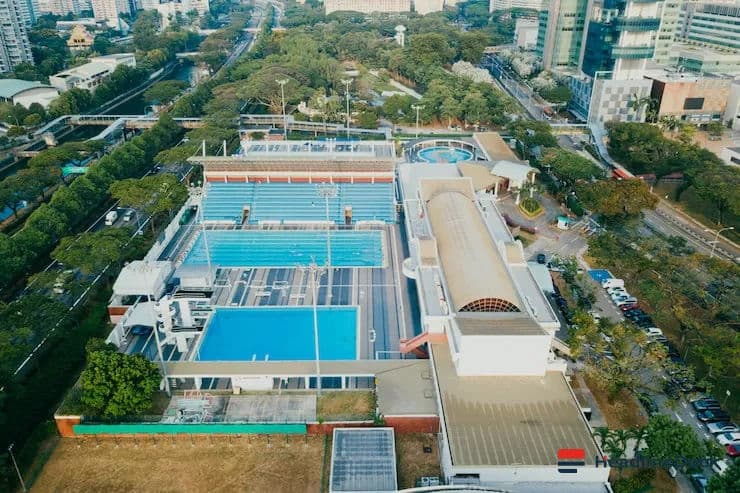
Indonesia currently faces a significant imbalance in its approach to sports development, where the national public sports facilities system is often overlooked in favor of chasing elite medals. While the government provides substantial funding for high-performance training, massive athlete bonuses, and international events, everyday citizens struggle to find accessible spaces for physical activity.
This systemic neglect of public sports facilities highlights a critical need to broaden the scope of national policy. To cultivate a truly active society similar to global sporting powerhouses like China or the United States, infrastructure must prioritize grassroots participation. Experts argue that without a foundational culture of movement, the long-term potential for nurturing new talent remains severely restricted.
Beyond Professional Training: The Need for Grassroots Access
The current lack of public sports facilities is starkly visible during events like Car Free Day, which are consistently overwhelmed by residents seeking a safe environment to exercise. Urban planning in many regions has failed to prioritize green spaces, with available areas shrinking annually. This trend prevents the development of a habit of daily movement among the general population, particularly as current policies overwhelmingly favor elite infrastructure and rewards over community-based amenities.
Building a robust athletic foundation requires moving beyond the singular focus on training camps. Case studies, such as the rise of Japanese skateboarder Yuto Horigome, demonstrate that professional success often begins in local, public spaces. When citizens have consistent access to environments that encourage physical activity, talent naturally emerges from the community.
Furthermore, the health implications are severe. Research indicates that approximately 80.4% of Generation Z in Indonesia are physically inactive. This sedentary lifestyle carries a massive economic burden, as the government faces mounting costs for treating non-communicable diseases like diabetes and cardiovascular issues. Therefore, investing in local gymnasiums and parks is not merely a sports initiative but a necessary component of national health policy.
Integrating Physical Activity into Urban Life
Indonesia can look toward countries like Japan, which implemented the Basic Act on Sport in 2011 to mandate environments supportive of daily movement. Their model focuses on simple, accessible infrastructure—including riverbank running tracks, outdoor gym equipment, and multifunctional public squares—that encourage activity as a standard part of daily life.
To replicate this success, officials must integrate sports infrastructure directly into urban planning rather than treating it as an afterthought. Legislative tools, such as Permenpora Number 7 of 2026, present an opportunity to reform these priorities. By shifting the focus toward creating accessible, productive environments for all, the nation can transform its approach. A truly strong sporting nation is defined not just by its trophy cabinet, but by its commitment to ensuring every citizen has the opportunity to remain active and healthy every day.