Changes to Aadhaar and Finance Rules Effective Next Month
<p>Key changes coming into effect from April 2026 include enhanced security measures for PAN cards, stricter HRA claim protocols, updated credit card regulations, and extended tax return deadlines. These reforms aim to increase transparency and curb fraudulent activities in financial transactions.</p>
Highlights
- •Enhanced Security Measures for PAN Card Applications
- •Tighter Rules for House Rent Allowance Claims
- •New Regulations for Credit Card Usage
- •Adjusted Deadlines for Filing Income Tax Returns
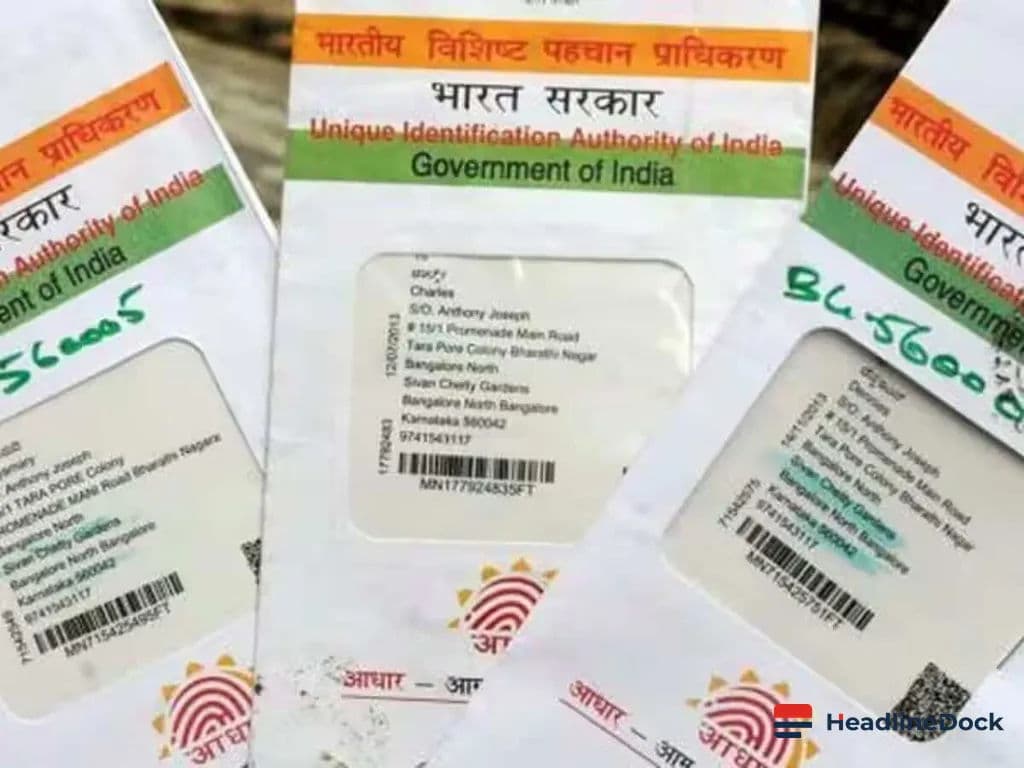
Starting from April 1, 2026, several significant changes will come into effect for Aadhaar and finance-related documentations in India. These new regulations aim to increase security and transparency while also impacting financial planning and documentation practices.
The first major change concerns the submission of additional documents when applying for a PAN card as of April 1st. Previously, only your Aadhaar card was sufficient; however, starting on this date, you will need to submit an extra document selected from options such as a Birth Certificate, Voter ID, Passport, or Driving License. This move is part of the government's strategy to enhance security measures for PAN cards.
Impactful Rules for House Rent Allowance (HRA) Claims
The rules governing HRA claims have been tightened. If you are an employee and your annual rent exceeds ₹1 lakh, providing your landlord's PAN number will now be mandatory, alongside disclosing whether the landlord is a family member. Additionally, a form must be filled out to accompany these claims.
Effective April 1st, these changes are being implemented not just due to security concerns but also to curb fraudulent activities and ensure accurate withdrawal of funds for legitimate claimants.
New Regulations for Credit Card Usage
The credit card landscape is also undergoing a shift. Major transactions via credit cards will now be scrutinized under specific conditions. If you exceed ₹10 lakh in annual digital spending or make cash payments above ₹1 lakh, the necessary details must be communicated to the Income Tax Department.
This new regulation is aimed at reducing financial fraud and ensuring that both users and authorities have a clearer oversight of credit card transactions.
For tax return filings, several deadlines have been adjusted. For non-audited cases, ITR-3 and ITR-4 submission now extends until August 31, whereas ITR-1 and ITR-2 can be completed by July 31. These changes aim to provide more flexibility in the tax filing process.
Another notable change affects ATM withdrawal rules across major banks starting on April 1st. For instance, HDFC Bank plans to limit free transactions to 3 per month in metro cities and 5 in non-metro cities. Punj Lloyd, on the other hand, has cut its daily cash withdrawal limit from ₹1 lakh to ₹50,000.