Challenges Facing Devotees Seeking Darshan of Ishtakameswari in Nallamala Forest
Pilgrims visiting Srisailam face major difficulties obtaining a darshan of Ishtakameswari in the Nallamala forest. Due to its location in a wildlife sanctuary, access is strictly capped at 120 people daily, with rigid ticketing, mandatory ID requirements, and seasonal closures impacting overall visitor experience.
Highlights
- •Access to the Ishtakameswari Temple is strictly limited to 120 visitors per day.
- •The temple is situated deep within the Nallamala forest, a protected wildlife zone.
- •Tickets are available via online and offline channels with varying costs up to ₹1,500.
- •Operations are restricted by specific visiting hours and a 40-day monsoon closure.
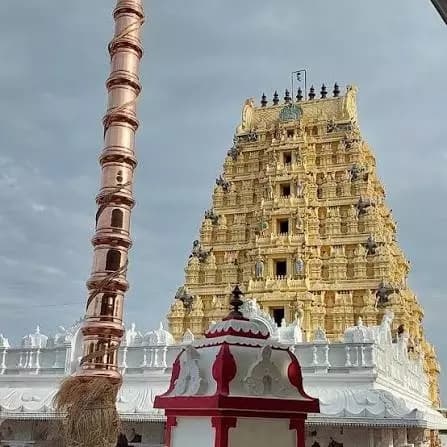
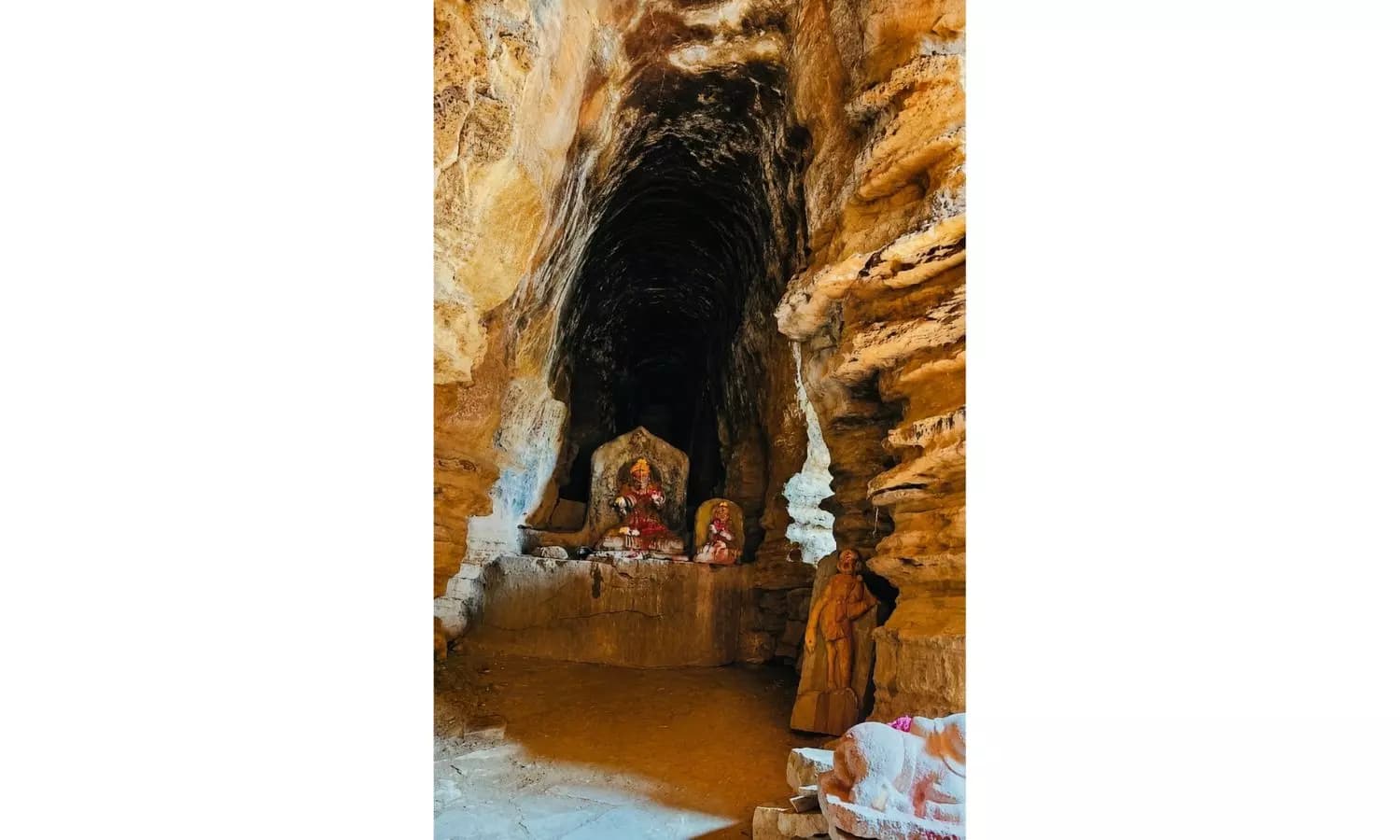
Visitors traveling to the Sri Bhramaramba Mallikarjuna Swamy Temple in Srisailam are encountering significant challenges when attempting to arrange a darshan of Ishtakameswari. While this specific shrine is a revered destination, its remote location deep within the Nallamala forest presents logistical hurdles that many pilgrims find difficult to overcome.
A long-standing local tradition encourages devotees to first offer prayers at the primary temple before moving toward the Ishtakameswari Temple. However, unlike the more accessible routes found in other major pilgrimage sites, access to this forest-bound shrine is strictly regulated. Due to its position within a protected wildlife sanctuary, the number of daily visitors is capped at just 120 individuals to maintain ecological balance and ensure human safety.
Strict Regulations and High Demand for Temple Entry
Securing a darshan of Ishtakameswari has become a complex process for many. Pilgrims must navigate a ticket system available both online and offline. Online tickets are priced at ₹1,000, while on-the-spot permits, which require approval from the Divisional Forest Officer, cost ₹1,500. Even with these fees, the limited daily quota results in many disappointed travelers who are unable to secure entry.
The journey itself adds to the experience, as pilgrims must travel roughly 8 km from Srisailam before transferring into private jeeps operated under the direct supervision of forest officials. This route, often referred to as the Nekkonda jungle ride, winds through dense terrain known for harboring leopards and other wild animals. Because of these inherent risks, authorities maintain strict control over all transport and access points.
Furthermore, visitors must be aware that the shrine’s operations are heavily time-restricted, with hours limited from 5 a.m. to 2 p.m. Additionally, the temple is completely inaccessible for a period of approximately 40 days during the peak monsoon season. Mandatory requirements, such as producing valid Aadhaar identification, further complicate the process for those unprepared.
Many devotees have expressed frustration, noting that the logistical effort to obtain a ticket can feel more exhausting than the pilgrimage itself. Some have called upon the relevant authorities to consider increasing the visitor quota or simplifying the bureaucratic steps involved. While officials from the Markapur forest division acknowledge these concerns, they emphasize that the primary objective remains the protection of both the local wildlife and the devotees navigating the sensitive forest environment. Moving forward, balancing the desire for increased spiritual tourism with the necessity of conservation remains a central challenge for those managing the site.
,