Chai Hona: How Hyderabad’s Queer Community is Brewing Inclusive Third Spaces
Chai Hona, a queer-inclusive initiative in Hyderabad, is creating free, sober third spaces for the community to connect. Founded by the For&Bi collective, the monthly gatherings prioritize accessible, supportive environments where individuals can share experiences and foster chosen family bonds outside of commercialized nightlife settings.
Highlights
- •Chai Hona provides a free, inclusive third space for the queer community in Hyderabad.
- •The initiative is a sober, trans-led, and minority-centered collective fostering genuine connections.
- •Gatherings feature diverse activities and rotate locations to increase urban accessibility.
- •The project emphasizes that everyone’s liberation is interconnected, including local environmental advocacy.
In the heart of Hyderabad, a grassroots movement known as Chai Hona is reshaping the city's social landscape. This monthly gathering, designed as a queer-inclusive third space, offers a sanctuary where individuals can connect over the simple, universal act of sharing tea. By providing a cost-free environment, the initiative ensures that community members, regardless of their financial status, have a place to belong and share their stories.
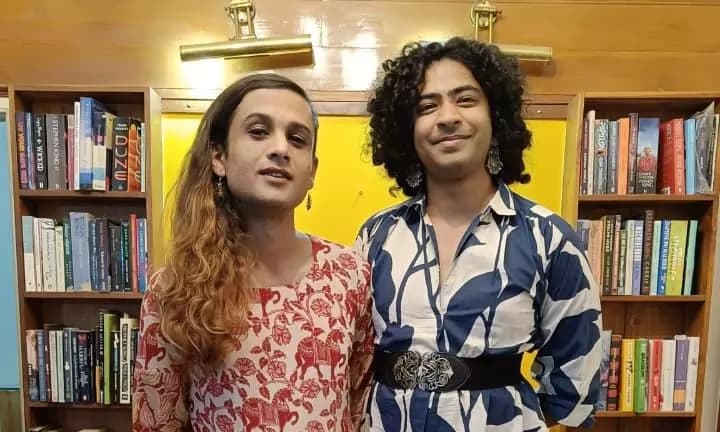
Founded by Debbie Das with support from Patruni Chidananda Sastry, the collective For&Bi established this initiative to counter the lack of accessible venues in Hyderabad. While the city hosts various high-energy nightlife and queer-organized parties, there was a noticeable void for quieter, more intimate spaces. Chai Hona intentionally avoids the commercial trappings of expensive cafes or bars, focusing instead on fostering genuine human connections.
The Evolution of Inclusive Queer Third Spaces
The philosophy driving Chai Hona is rooted in the belief that everyone deserves a supportive community. By operating as a strictly sober space—free from alcohol and drugs—the organizers create a safe environment that is particularly vital for trans youth and marginalized members of the queer community. As Patruni notes, the gathering serves as a crucial support system, especially when participants lack familial acceptance or are navigating complex social issues like the Trans Amendment Bill.
The collective's reach has grown significantly over the past eight months, with attendance climbing from small groups to dozens of participants. Under the current facilitation of Kali, the initiative continues to rotate its venues across different parts of the city. This strategy aims to broaden access, although finding truly safe and inclusive locations—complete with gender-neutral and disability-friendly facilities—remains a persistent challenge in the urban landscape of Hyderabad.
The versatility of these gatherings is a key strength. Beyond simple conversations, the space has hosted diverse activities ranging from collaborative clay art sessions to workshops focused on using makeup for self-expression. By maintaining an evolving, flexible structure, Chai Hona remains responsive to the needs of the community it serves. Its founders emphasize that the movement is a collective effort rather than a top-down organization, designed to ensure that the space remains sustainable, accessible, and community-led.
Ultimately, this initiative highlights the vital importance of third spaces that prioritize inclusivity over profit. By connecting the struggle for queer rights with broader social and environmental concerns, the organizers of Chai Hona are helping to weave a stronger, more resilient fabric for the queer community in Hyderabad. As the initiative plans for potential expansion, its core mission remains clear: providing a free, safe, and supportive home for all who need it.