Brexit Ten Years Later: Assessing the Enduring Impact on British Society
Ten years after the Brexit referendum, the UK faces enduring political fragmentation and economic shifts. New research highlights strong social identities and significant generational divides, with many younger Britons questioning the long-term consequences of the separation from the European Union.
Highlights
- •Ten years post-Brexit, a majority of Gen Z Britons express a desire to rejoin the EU.
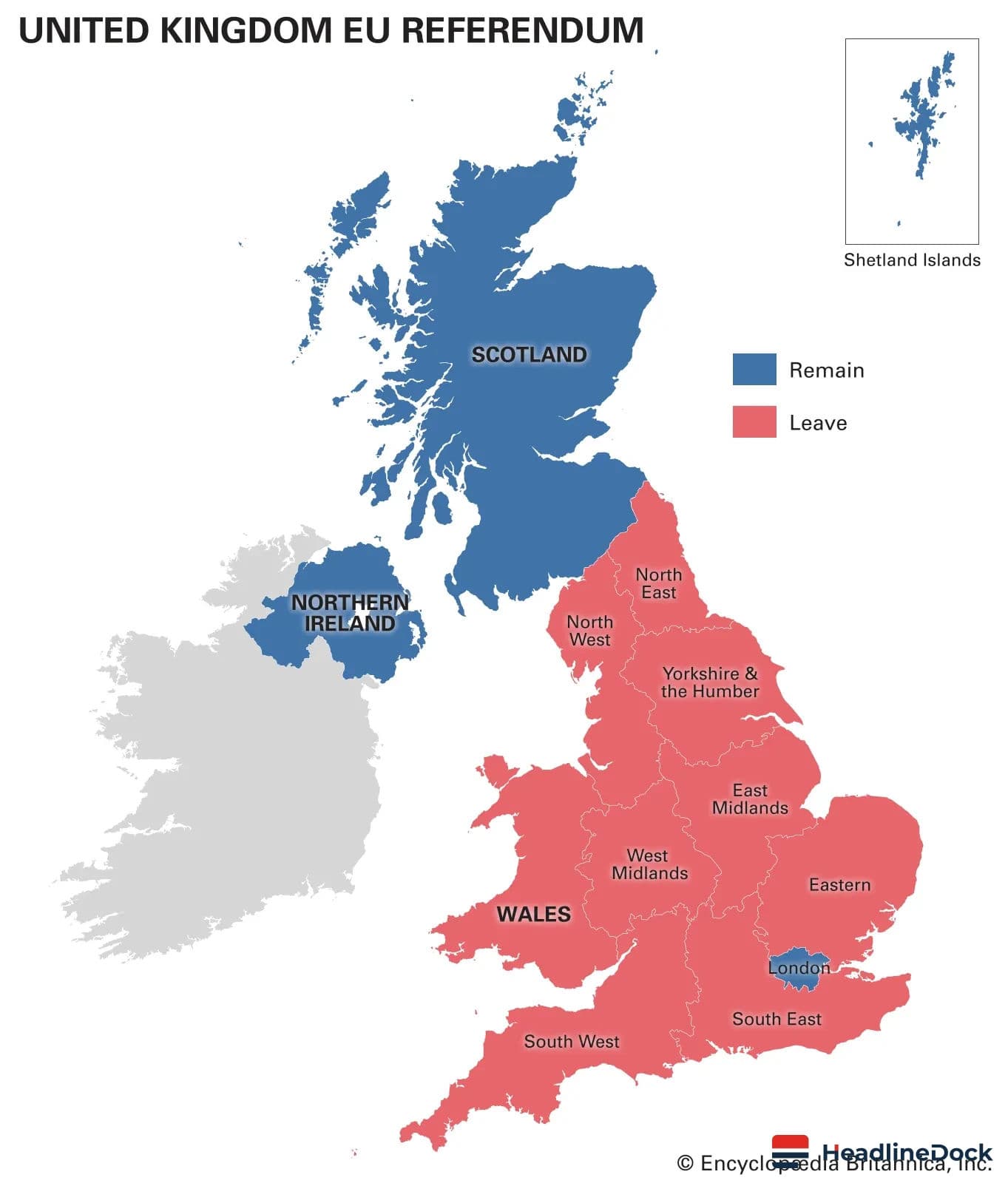
- •The referendum established lasting political identities that continue to divide the electorate into Leavers and Remainers.
- •Economic estimates suggest the UK economy is 6-8% smaller than it would have been without Brexit.
- •Traditional two-party political coalitions have fractured due to the ongoing influence of the Leave-Remain divide.
A decade has passed since the Brexit referendum, a pivotal moment that fundamentally altered the political and economic landscape of the United Kingdom. While the process was intended to be a definitive separation from the European Union, recent analysis suggests the long-term implications are still actively shaping the nation. Today, a significant portion of the population, particularly younger generations, continues to grapple with the lasting effects of this decision.
The Evolving Impact of Brexit on British Identity
Research indicates that the Brexit vote introduced a rare phenomenon in political science: the emergence of two deeply entrenched identity groups, Leavers and Remainers. These social identities have proven remarkably resilient, often overshadowing traditional partisan loyalties. Nearly two-thirds of the British population still identify strongly with one of these camps, which continues to influence public perception and political discourse.
The divide has also highlighted significant disparities in how different generations view the nation's future. Data shows that 60% of British Gen Z individuals would support a new vote on rejoining the European Union, with some polls suggesting even higher support among those aged 18 to 25. Many young people feel that the original referendum failed to represent their interests, noting that the economic consequences of the separation—including a smaller economy and fewer job opportunities—have disproportionately impacted those entering the labor market.
A Shifting Political and Economic Landscape
The economic reality of post-Brexit Britain remains complex. Experts estimate the national economy is 6-8% smaller than it would have been had the UK remained within the union. This impact has manifested in stagnant wage growth, reduced investment, and limited professional opportunities for the younger workforce. Despite these figures, the political debate often remains fixated on narrow party advantages rather than long-term strategic relationships with European neighbors.
The political system itself has seen a fragmentation of old coalitions. Traditional parties, which previously focused on an economic left-right divide, have struggled to reconcile the conflicting values held by their Leave and Remain bases. This shift has allowed challenger parties to gain traction by emphasizing non-economic issues related to authority, conformity, and national identity. As the United Kingdom navigates an increasingly unstable global geopolitical climate, the unresolved nature of its relationship with the European Union continues to pose a significant challenge to governance and long-term stability.