Book on 1970s Village Life in Telangana Records Caste, Class, and Childhood Memories
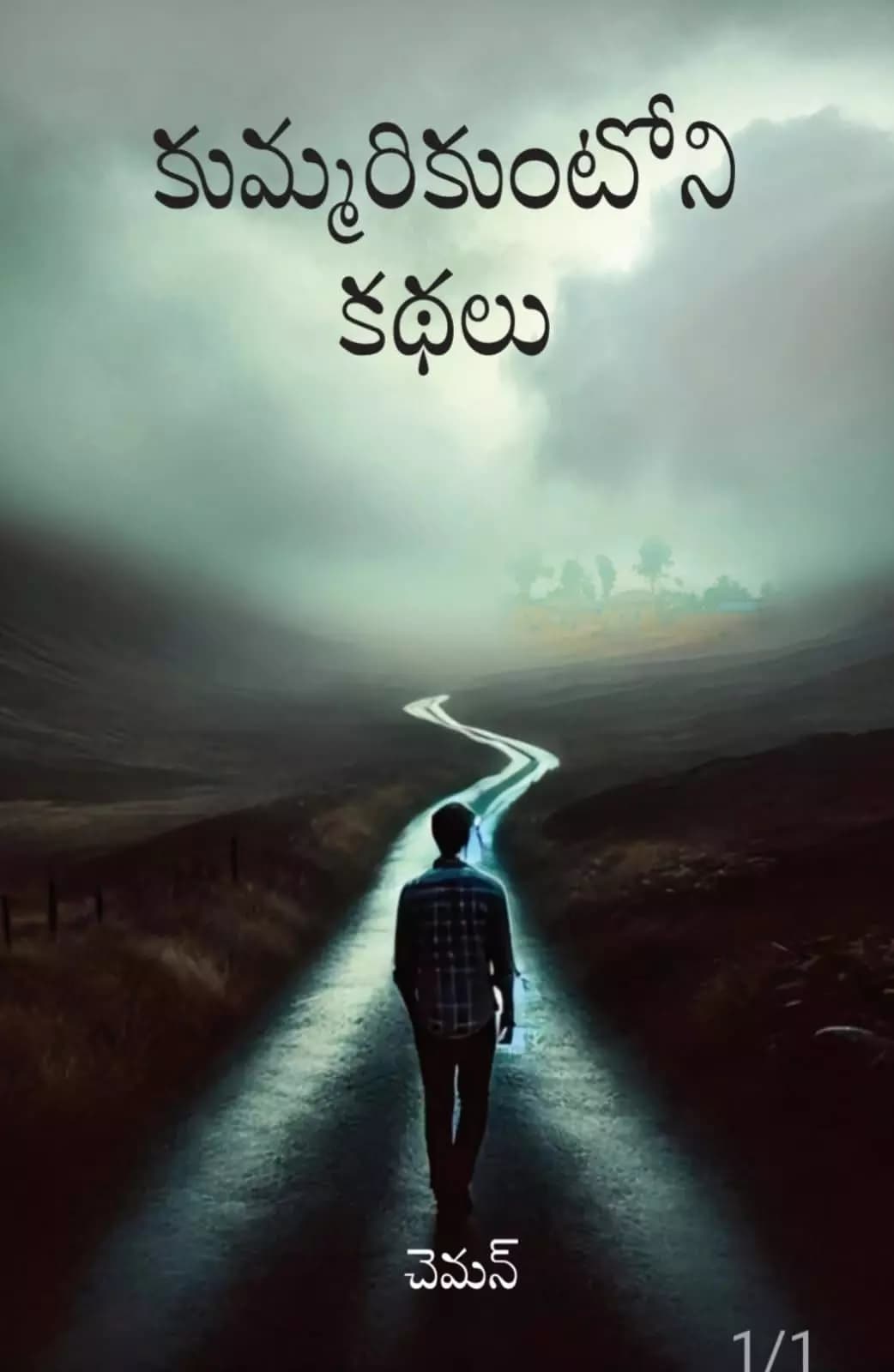
Dr. Cheman Singh's book, Kummarikuntoni Kathalu, offers a nostalgic and detailed account of rural life in 1970s northern Telangana, documenting social hierarchies, childhood experiences, and regional history amidst changing times.
Highlights
- •Dr. Cheman Singh's new book, Kummarikuntoni Kathalu, archives rural life in 1970s and 1980s northern Telangana.
- •The narrative, spanning 42 chapters, offers a reflective look at village dynamics, including caste and class issues.
- •The book incorporates digital illustrations by the author’s son, Suraj, and reflects on the influence of the Naxalite movement.
- •Literary figures Allam Rajaiah and Nandini Sidda Reddy have praised the book for its importance in preserving local social history.
A poignant new literary work, Kummarikuntoni Kathalu, has recently debuted in Hyderabad, offering readers a deep dive into the rural realities of northern Telangana during the 1970s and 1980s. Penned by Dr. Cheman Singh, the book serves as a significant documentation of regional social history, capturing the nuances of village life, complex caste dynamics, and evolving class structures of that era.
The collection is composed of 42 chapters that reflect on the author’s own formative years spent in Kummarikunta village, located in the Julapalli mandal of Peddapalli district. By blending personal childhood memories with broader observations of rural society, the book provides a unique vantage point on the interpersonal bonds and everyday life that defined that generation. It also touches upon the historical context of the period, acknowledging the influence of feudal systems and the emergence of the Naxalite movement in the region.
Preserving Rural Heritage Through Literature
Dr. Cheman Singh, who serves as a medical practitioner by profession, brings a reflective and observant tone to his writing. This latest release is further enhanced by digital illustrations provided by his son, Suraj, adding a modern visual dimension to the historical narrative. The author's literary journey is not new; he has previously contributed to the field with two poetry anthologies, titled Edari Swapnam Madhya and Avishkarinchani Drushyam, with the latter even receiving an English translation titled Amid Dream of Desert. His wife, Kavitha, played a supportive role in bringing this project to fruition.
The reception of the book has been highly positive among literary circles. Renowned writers Allam Rajaiah and Nandini Sidda Reddy have lauded the work for its dedication to archiving personal and social histories. They noted that Kummarikuntoni Kathalu holds particular significance in the current climate, where rapid technological advancements and socio-economic shifts are continuously reshaping the traditional identity of villages in Telangana.
By capturing the essence of a bygone era, Kummarikuntoni Kathalu stands as more than just a memoir; it is a vital record of cultural heritage. It invites readers to reflect on how caste, class, and social relations have transformed over the decades, ensuring that the stories of rural life in northern Telangana are preserved for future generations.