Bike Taxi Accident: Understanding Passenger Rights and Insurance Claims in India
A fatal bike taxi accident in New Delhi highlights critical passenger safety and insurance issues. Passengers are entitled to third-party liability compensation under the Motor Vehicles Act, while major ride-sharing apps provide additional insurance coverage for medical emergencies and accidental death or disability.
Highlights
- •A 26-year-old woman died after a bike taxi skidded on the Shahdara flyover in New Delhi.
- •Fare-paying passengers are legally classified as 'Third Parties' and are entitled to insurance compensation.
- •Ride-sharing apps often provide bundled passenger travel insurance to cover medical and accidental expenses.
- •Victims' families can file claims through the Motor Accident Claims Tribunal if insurance coverage is insufficient.
A tragic bike taxi accident in New Delhi has claimed the life of a 26-year-old woman, prompting urgent discussions regarding passenger safety and insurance rights. The victim, identified as Neelam, a Karawal Nagar resident, was commuting to her workplace in Jhilmil when the incident occurred on the Shahdara flyover. According to reports from the Delhi police, the two-wheeler skidded, resulting in fatal injuries for the passenger. The driver, Dharamvir, has since been apprehended as authorities continue to investigate the circumstances surrounding the crash using local CCTV footage.
Understanding Passenger Insurance Rights
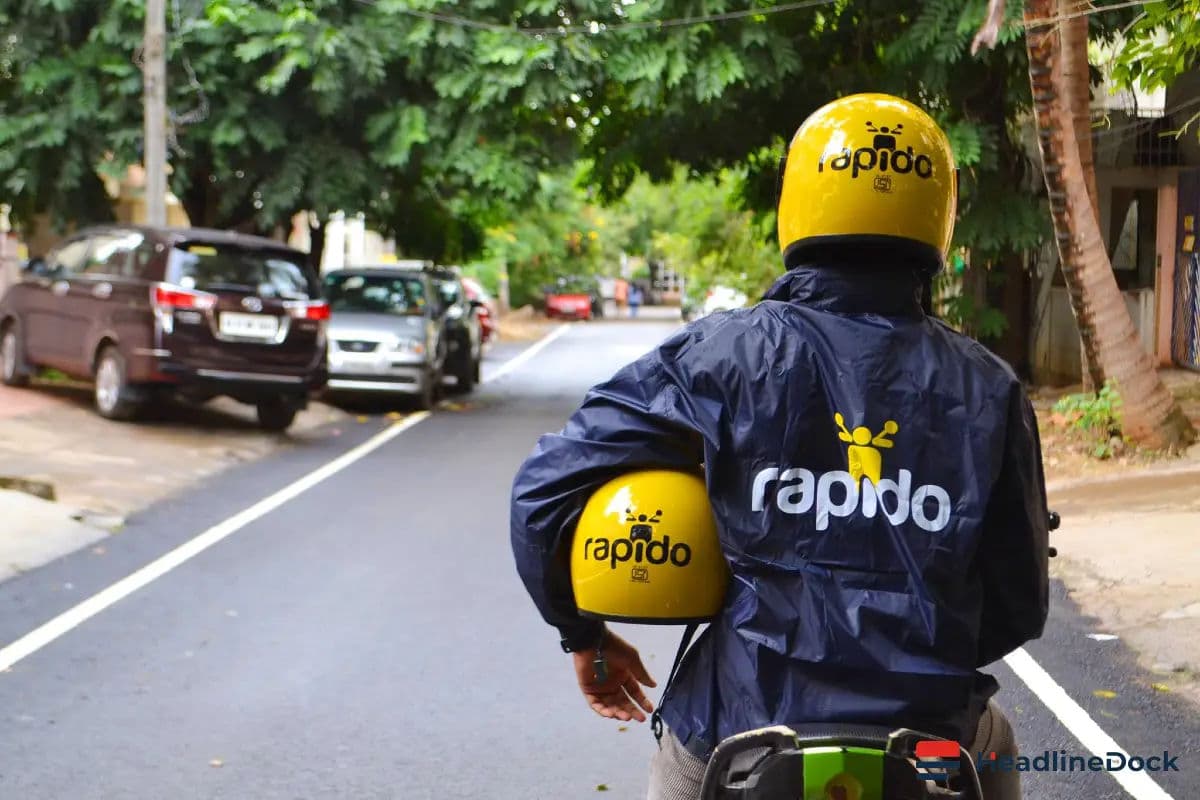
The unfortunate event has raised significant awareness regarding the protections available to individuals using ride-sharing platforms. Under the Motor Vehicles Act, commercial transportation services, including registered bike taxis, are mandated to maintain third-party liability insurance. This legal classification ensures that fare-paying passengers are entitled to compensation following injuries or death resulting from an accident. Major industry aggregators like Uber, Ola, and Rapido typically incorporate additional travel insurance into the passenger fare, which covers medical emergencies and accidental disability.
When seeking compensation, claims can be processed through the app-based insurance policy, often capped at specific limits, such as ₹5,00,000 for fatalities. Alternatively, families may pursue legal recourse via the Motor Accident Claims Tribunal (MACT). Unlike fixed-cap insurance, court-ordered compensation for third-party liability has no theoretical upper limit, with final payouts calculated based on the victim's age, annual income, and family dependency status.
Key Safety and Legal Considerations
Legal experts emphasize that complications can arise if the operator is using a private vehicle—often identifiable by a white license plate—instead of a legally registered commercial vehicle. In such instances, standard insurance policies may legitimately decline coverage claims. Furthermore, if a driver lacks essential documentation such as a valid commercial permit, a current fitness certificate, or a proper driving license, legal proceedings become significantly more complex. However, in many cases, courts mandate that insurance providers fulfill the compensation claim initially, granting them the right to recover the amount from the vehicle owner later.
To prioritize personal safety during commutes, passengers are advised to always utilize official mobile applications to ensure a verifiable digital trail, including a specific trip ID. For those choosing to travel via bike taxi, it is imperative to insist on wearing a helmet throughout the duration of the journey to mitigate risks. Understanding these rights and safety protocols is essential for anyone utilizing modern ride-sharing services to ensure they are adequately protected in unforeseen circumstances.