Bhagya Lakshmi Yojana: Empowering Daughters through Financial Support in Uttar Pradesh
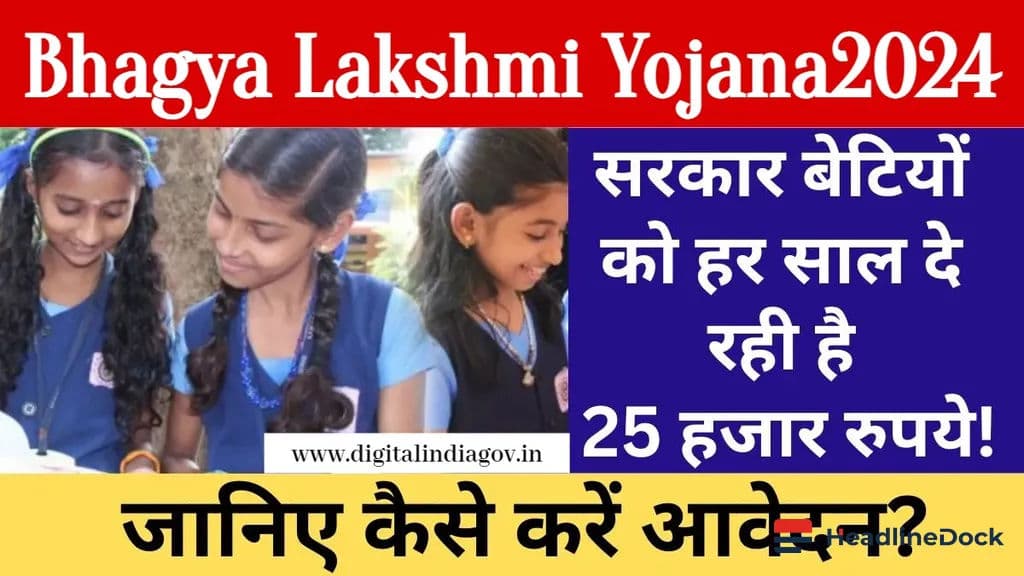
Uttar Pradesh's Bhagya Lakshmi Yojana offers substantial financial support to families with BPL status, ensuring their daughters' education and future security through Rs 50,000 bonds accumulating to Rs 2 lakh by adulthood.
Highlights
- •Provides immediate financial assistance at daughter's birth for Rs 2 lakh accumulation by age 21
- •Specifically targets BPL families with up to two eligible daughters per family
- •Offers educational support in grades 6, 8, 10, and 12 through fixed amounts
- •Promotes responsible parenthood while ensuring no marriage before the age of 18
The Indian state of Uttar Pradesh (UP) has launched the Bhagya Lakshmi Yojana to provide financial aid to families with daughters, aiming to change societal perceptions and ensure a better future. This initiative was designed to alleviate the burden associated with educating and marrying girls while encouraging them to pursue their dreams without financial constraints.
The program specifically targets families below the poverty line (BPL) and awards an initial Rs 50,000 bond upon a daughter's birth. This amount grows to approximately Rs 2 lakh by the time she turns 21. Additionally, mothers are provided with direct financial support of Rs 5,100 for family needs.
Financial Support Through Education
Families receive targeted assistance as their daughter progresses through her education. For instance:
- Rs 3,000 for sixth grade
- Rs 5,000 for eighth grade
- Rs 7,000 for tenth grade
- Rs 8,000 for twelfth grade
This ongoing support ensures that the girl's educational journey remains uninterrupted and financially secure.
Eligibility Criteria & Application Process
Mother-daughter pairs eligible must have registered their daughter's birth date after March 31, 2006. Families can register by downloading an application form from the official website of the Women and Child Development office, filling it out, and submitting it to an Anganwadi center. After verification, families begin receiving the benefits.
The scheme also promotes responsible parenthood by stipulating that a maximum of two daughters can benefit per family. Furthermore, daughters must not be married before they reach 18 years of age.