Balancing Nutritional Benefits and Environmental Contaminants in Kenya’s Fish Markets
Research in Kenya reveals the complex trade-offs consumers face when choosing fish. While fish provides essential nutrients, growing environmental pollution forces buyers to weigh these benefits against hidden contamination risks, highlighting a critical need for balanced information and improved water quality management.
Highlights
- •Fish consumption involves a complex trade-off between essential nutritional benefits and potential environmental contamination risks.
- •Studies in Kenya show that consumers often react more strongly to risk warnings than to information about health benefits.
- •Socioeconomic status significantly impacts how consumers interpret food labels, potentially leading to unequal health outcomes.
- •Addressing water pollution is critical for long-term food security, as it directly impacts the safety and quality of fish.
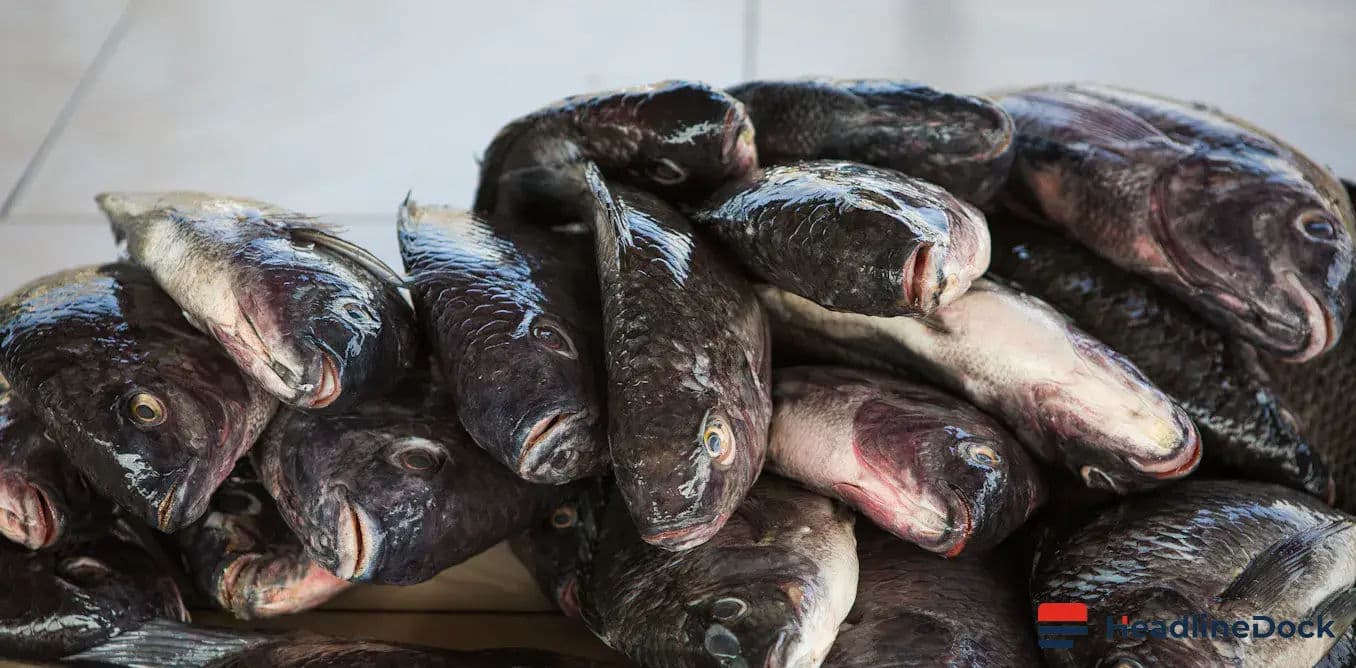
For many communities surrounding Lake Victoria in Kenya, selecting fish is a fundamental daily decision. Consumers often evaluate options based on size, freshness, and price, balancing these factors much like shoppers do globally. However, this common dietary choice involves a hidden complexity: the trade-off between vital nutrients and potential environmental contaminants. While fish serves as an essential provider of healthy fats, such as omega-3s, which are crucial for heart health, the potential risks of consuming pollutants like heavy metals or pesticides remain largely invisible to the buyer.
Navigating the Dilemma of Nutritional Benefits and Contamination Risks
As water bodies become increasingly polluted, the risk profile of fish consumption continues to evolve. Research suggests that Lake Victoria faces significant pressures, including agricultural runoff and wastewater, which trigger harmful algal blooms. These events lead to the production of toxins known as microcystins. Because fish are considered a bundled product—meaning they provide both health benefits and potential risks—consumers often struggle to make informed choices. This difficulty is further complicated by individual life stages, as dietary needs and vulnerability to toxins fluctuate during pregnancy, childhood, or when managing health conditions.
Recent studies conducted in Kenya explored how information, such as nutrition and toxin labels, influences consumer behavior. The findings indicate that while many individuals carefully weigh the information provided, there is a notable disparity in how different groups respond. Participants generally demonstrated a stronger aversion to risk than an appetite for benefit, meaning that aggressive warnings could inadvertently discourage people from consuming fish entirely, thereby missing out on essential nutrients.
The Impact of Socioeconomic Factors on Informed Food Choices
A critical issue identified in the study is the presence of hidden inequality. While some consumers effectively use labeling information to make nuanced, rational decisions, others—particularly those with lower incomes or less education—are less responsive to such details. This creates a societal concern where health risks might become concentrated among the most vulnerable populations. If high-quality, safer fish become unaffordable due to market shifts, less-informed consumers may be driven toward cheaper, more contaminated options.
Ultimately, the challenge of choosing between nutrients and toxins is rooted in broader issues of environmental management. While clear, balanced labeling can support better decision-making, it does not solve the root cause of pollution. Addressing water quality and limiting the impact of contaminants is essential for ensuring long-term food security. Moving forward, policymakers and researchers must focus on both providing comprehensive, balanced information and tackling the environmental degradation that forces consumers to face these difficult trade-offs in the first place.