Australia Confirms First Cases of H5N1 Bird Flu in Wild Seabirds
Australia has reported its first cases of H5N1 bird flu in wild seabirds near Esperance, Western Australia. Authorities have launched a national response, heightening surveillance to protect native wildlife and the commercial poultry industry from the rapidly spreading viral strain.

Highlights
- •Highly pathogenic avian influenza H5N1 has been confirmed in two wild seabirds in Western Australia.
- •The virus strain is known for spreading across continents and infecting a wide range of wild animals and mammals.
- •A national taskforce is overseeing increased surveillance of poultry farms, wetlands, and wildlife populations across the country.
- •Public members are urged to report sick or dead animals to the Emergency Animal Disease Hotline and avoid contact.
Australia has confirmed its first cases of highly pathogenic avian influenza H5N1, marking a significant development for the nation's biosecurity and environmental health. On a remote beach near Esperance in Western Australia, authorities detected the virus in two wild seabirds: a brown skua and a giant petrel. This strain, identified as HPAI H5N1 clade 2.3.4.4b, has been circulating globally for five years, resulting in the death of millions of animals.
The discovery of bird flu in Australia is being treated with serious concern by officials. While the country had remained free of this specific strain since it emerged in 2021, these recent detections have triggered urgent surveillance efforts. Researchers believe the virus likely reached the continent via Southern Ocean wildlife movements rather than traditional migratory routes. Genetic sequencing is currently underway to determine the exact origin and relationship of this virus to strains found in other regions, such as South America and Antarctica.
Understanding the Threat of Bird Flu in Australia
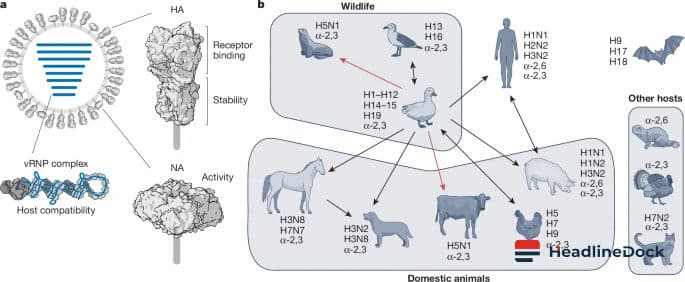
This particular variant of avian influenza H5N1 presents a unique challenge due to its ability to spread rapidly across diverse species. Unlike previous outbreaks, this strain has demonstrated a concerning capacity to infect a wide range of mammals, including dairy cattle, seals, and sea lions. Transmission typically occurs through direct contact with infected wildlife or exposure to contaminated environments, including scavenging on animal carcasses.
For the Australian poultry and dairy industries, the potential impact is substantial. Although no cases have been confirmed on commercial farms to date, producers are now operating under strict government biosecurity guidelines. These measures emphasize the importance of limiting contact between domestic flocks and wild birds, as well as securing water and feed supplies. The national taskforce, comprising representatives from federal agriculture, environment, and health departments, is actively coordinating the response to mitigate risks to both biodiversity and agricultural stability.
The public is advised to remain vigilant and avoid contact with any sick or deceased animals. Citizens are encouraged to report sightings of unusual wildlife behavior or carcasses to the Emergency Animal Disease Hotline at 1800 675 888. While the current risk to human health is considered low, proactive surveillance and rapid reporting remain the primary tools in managing the spread of the virus. Protecting vulnerable native species, including fur seals and various colony-nesting seabirds, remains a top priority for wildlife managers and scientists as they monitor the situation in the coming weeks.