Are Vitamin D and Calcium Supplements Effective for Preventing Bone Fractures?
A large-scale international study involving over 154,000 participants suggests that routine use of calcium and vitamin D supplements provides minimal to no significant benefit in preventing bone fractures or falls for the general adult population, highlighting the importance of lifestyle interventions instead.
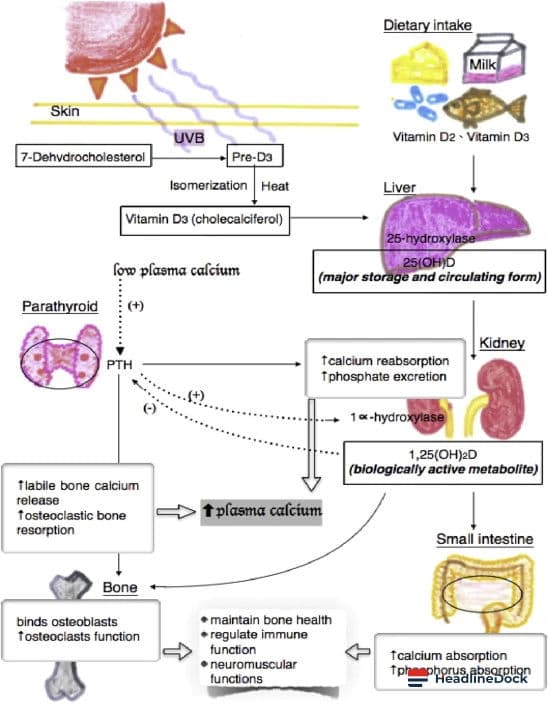
For many years, the standard medical advice for maintaining skeletal integrity as people age has involved the routine intake of calcium and vitamin D supplements. These products, widely available in pharmacies and supermarkets, are frequently marketed for their potential to bolster bone strength, decrease the likelihood of falls, and prevent fractures. However, a significant new study indicates that the reliance on these common vitamin D and calcium supplements may be largely misplaced.
A comprehensive analysis involving data from 69 distinct clinical trials, encompassing a cohort of over 154,000 adults globally, has been conducted to re-evaluate these long-standing health practices. Researchers compared the impact of taking calcium alone, vitamin D alone, or a combination of both against a placebo or no intervention at all. The primary goal of this extensive research was to determine if such supplementation truly delivers on the promise of reducing the incidence of fractures and falls among the general population.
Evaluating the Effectiveness of Bone Supplements
The findings of this large-scale study present a compelling case for skepticism regarding the necessity of these supplements for healthy adults. When researchers examined the data for calcium supplementation alone, they observed little to no meaningful reduction in either falls or fracture rates. Similarly, the data for vitamin D, even when administered to tens of thousands of participants, showed virtually no discernible difference in the risk of fracture compared to those receiving no treatment.
When looking at the combined effect of calcium and vitamin D, the results initially appeared to offer a marginal improvement. While there was a slight association with reduced occurrences in certain types of fractures, the scale of this benefit was described by the researchers as extremely modest. For instance, the reduction in overall fractures was approximately one fewer per 100 people, and the reduction in serious hip fractures was estimated at only about three cases per 1,000 individuals. Consequently, the researchers concluded that these gains are likely too small to be considered clinically significant for the average older adult.
Shifting Focus Toward Active Lifestyle
Despite these findings, these nutrients remain vital for overall bone and muscle health. The study primarily highlights that routine supplementation may not be required for the general, independently living adult population who do not suffer from severe deficiencies or specific bone diseases, such as osteoporosis.
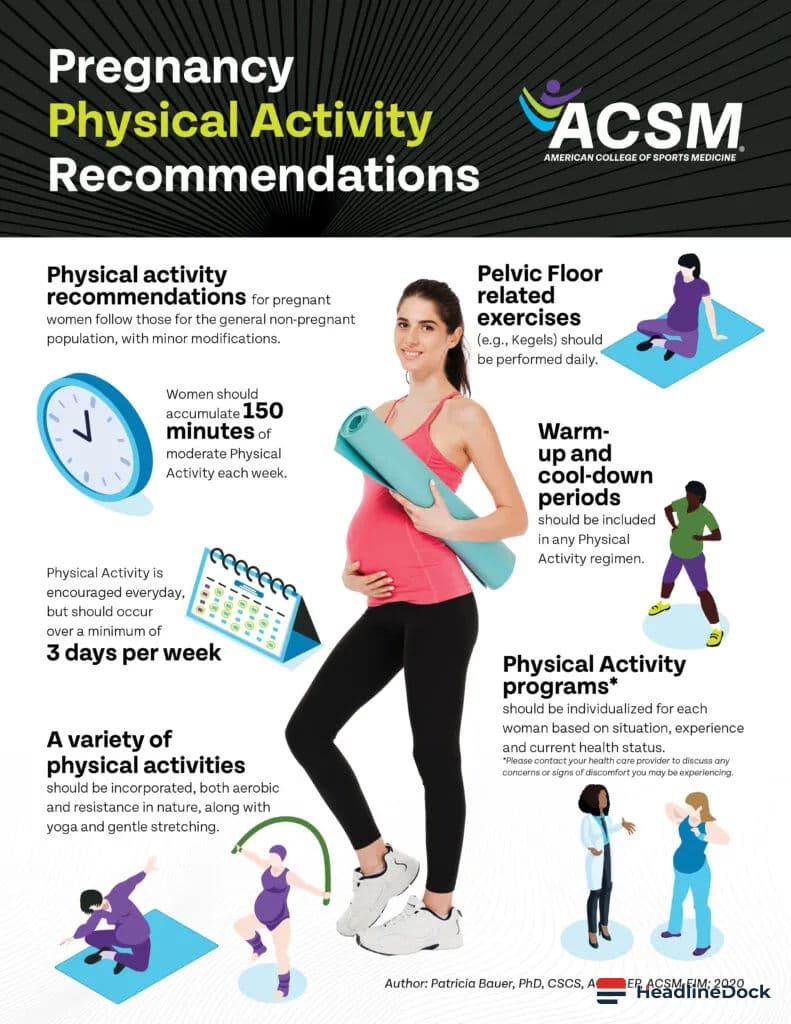
Instead of relying on medicine cabinets, medical experts continue to emphasize that the most effective strategy for preserving bone health involves consistent physical activity. Engaging in weight-bearing exercises, strength training, balance work, and activities like tai chi are supported by stronger evidence for maintaining bone density and reducing the danger of falls. Moving forward, the focus for aging populations should likely prioritize these practical lifestyle habits over the automatic reliance on nutritional supplements.
,curated_key_highlights:[