APSRTC Unions Launch Second Phase of Protests Against Electric Bus Privatisation
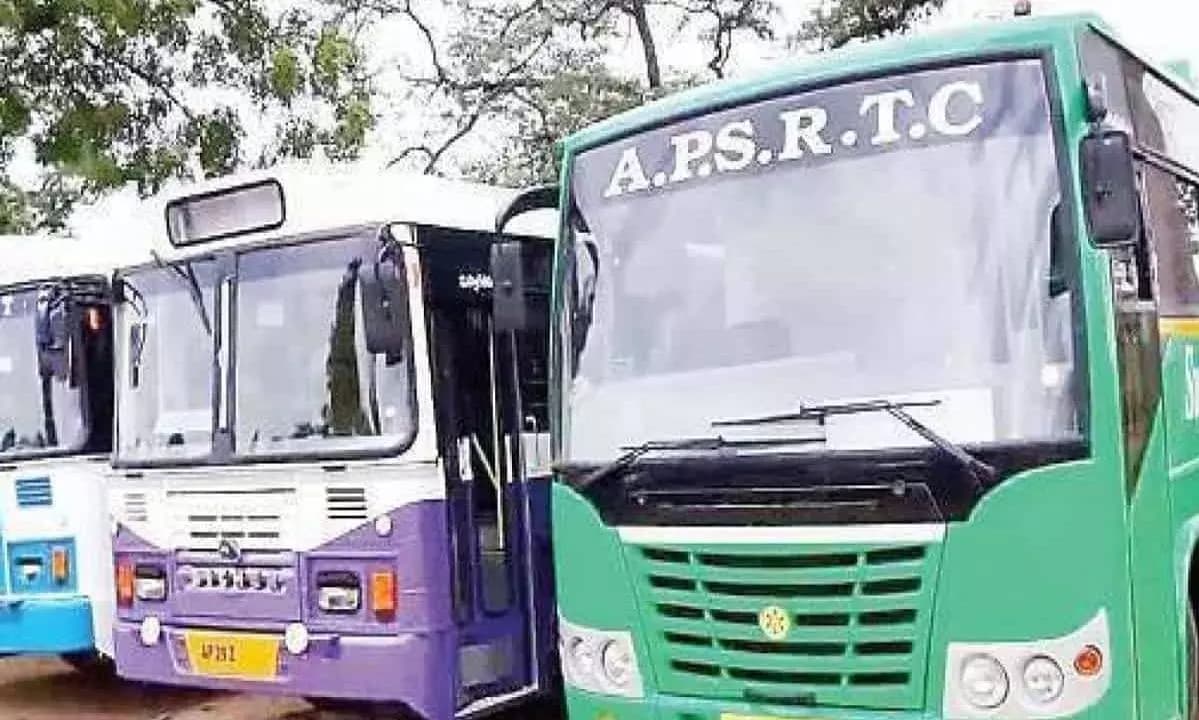
APSRTC employees' unions have launched the second phase of a statewide protest against the increasing privatisation of electric bus operations. Leaders argue the shift threatens public assets and are demanding state control over new electric vehicle deployments to protect the corporation.
Highlights
- •The JAC has launched a second phase of protests against the privatisation of APSRTC bus operations.
- •Union leaders claim that valuable depot land is being leased to private firms for electric bus deployment.
- •Protest plans include a signature campaign, wearing protest badges, and submitting petitions to the Chief Minister.
- •The union fears that all APSRTC assets could be fully privatised by the year 2029.
The Joint Action Committee (JAC) of APSRTC employees' unions has officially launched the second phase of a statewide protest against the rising electric bus privatisation within the corporation. Following a strategic meeting held at Revenue Bhavan in Vijayawada, leadership confirmed that these intensified demonstrations are designed to defend the integrity of the state-run public transport system and protect the fundamental interests of its workforce.
According to JAC conveners Y. Srinivasa Rao and Palisetti Damodara Rao, the core of the grievance lies in the government's decision to permit private agencies to operate electric buses while simultaneously leasing out valuable APSRTC depot land. Despite numerous formal representations requesting that all electric transit operations remain under the direct management of the state corporation, officials have reportedly ignored these concerns, ultimately driving the union to escalate its collective action.
Details of the Electric Bus Privatisation Concerns
The JAC has presented alarming projections regarding the scale of the electric bus privatisation drive. Reports indicate that four depots have already been handed over to private contractors to facilitate the deployment of 1,050 electric vehicles. Furthermore, the union claims that 50 percent of the land at eight additional depots is currently being allocated to private firms, with preparations underway at another 29 depots to accommodate 1,450 more vehicles. Leaders fear that these actions are part of a broader, systemic plan to transfer all APSRTC assets and operations to private entities by 2029.
To voice their dissent against this electric bus privatisation trend, the employees have outlined a structured protest schedule. From July 7 to July 8, staff will observe APSRTC Protection Days by wearing identifying badges while on duty. The strategy includes actively soliciting support from public representatives across all political spectrums from July 9 through July 18. This phase will be followed by a comprehensive statewide signature campaign running from July 19 to July 26.
The protest is scheduled to reach a pivotal point on July 27, when workers plan to formally submit petitions to the Chief Minister through their respective district collectors. Following these actions, a state-level JAC meeting is set for July 30 to deliberate and determine the course for the third phase of their agitation. As the conflict over electric bus privatisation continues to unfold, employees remain committed to their goal of safeguarding public sector assets and ensuring that the public transportation infrastructure remains firmly under government oversight.