Andy Burnham: What to Expect from the Likely Next UK Prime Minister
Following the resignation of Keir Starmer, Andy Burnham is positioned as the primary contender for the next UK Prime Minister. His platform centers on regional devolution, structural constitutional reform, and a focus on addressing socio-economic inequality to better serve the needs of the British public.

Highlights
- •Keir Starmer has resigned as UK Prime Minister and Labour Party leader.
- •Andy Burnham is considered the leading candidate to replace Starmer as Prime Minister.
- •Burnham's political strategy focuses on regional devolution and 'business-friendly socialism'.
- •A primary challenge for Burnham will be forging a clear connection with the British public.
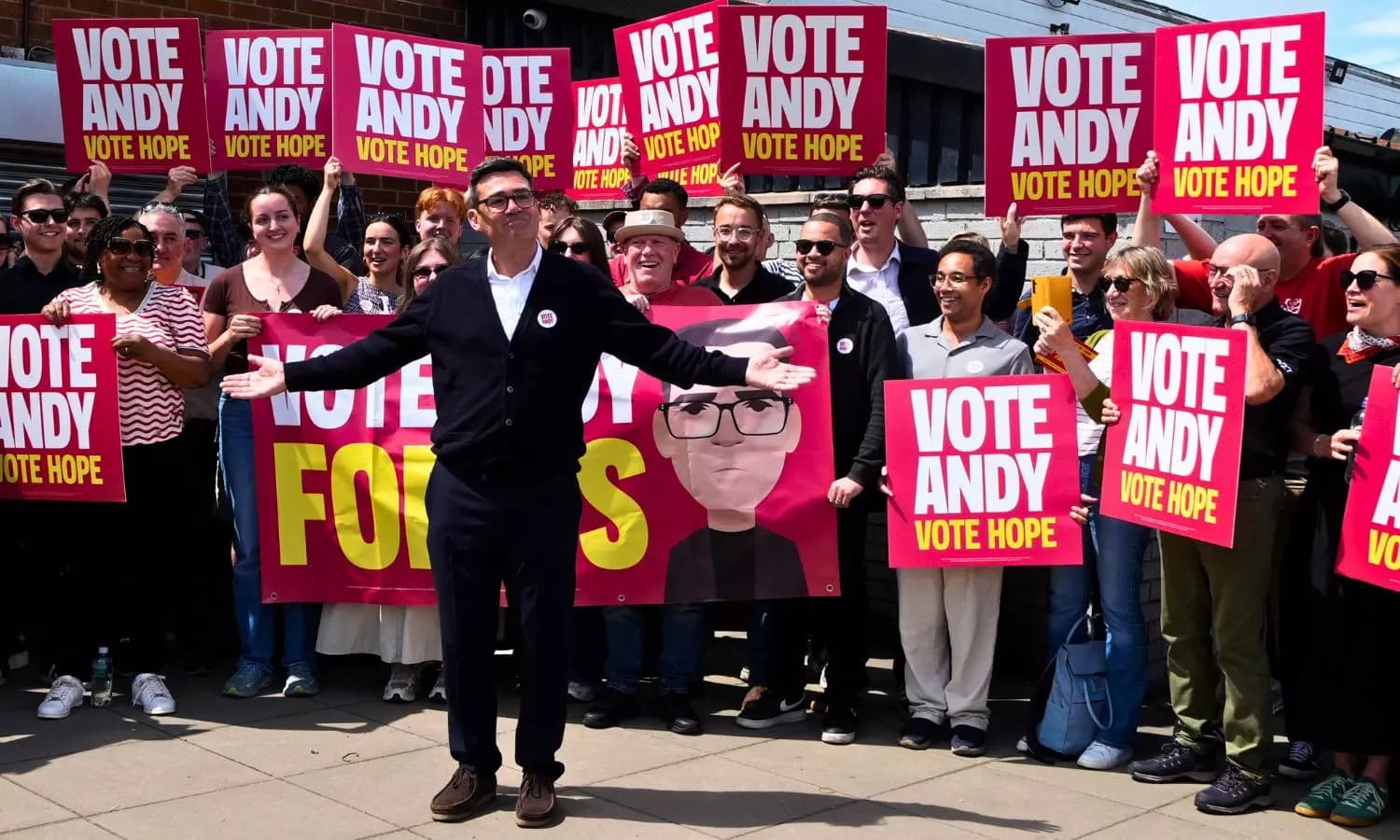
Following the resignation of Keir Starmer as leader of the Labour Party and UK Prime Minister, the political landscape is shifting rapidly. Andy Burnham has emerged as the clear frontrunner to potentially lead the nation, with many Labour members of parliament expressing strong support for his transition into the role of the next UK Prime Minister.
This potential shift brings significant attention to Andy Burnham and his vision for the country, often described through the lens of what is being called "Manchesterism" and "Burnhamism." As he navigates this transition, observers are examining his policy priorities, which emphasize place-based politics and a move toward what he terms "business-friendly socialism." A central element of this vision is the success of regional initiatives like the Bee Network in Manchester, which showcases his focus on integrated public transport and economic optimism.
The Core Vision: Understanding Manchesterism and Burnhamism
At a national level, the approach associated with Andy Burnham involves significant devolution of power away from the traditional Westminster model. This strategy aims to empower communities across the United Kingdom by granting them greater control over essential services, including utilities, housing, transport, and education. By shifting focus toward a preventative mindset, his platform suggests that government investment should prioritize tackling the root causes of societal challenges rather than merely managing their symptoms.
Furthermore, Andy Burnham has consistently highlighted the importance of addressing systemic social inequality. His critique of traditional political discourse, specifically his pushback against views that overlook the struggles of ordinary citizens in favor of internal parliamentary debate, has resonated with voters. His success in the Makerfield byelection indicates a potential ability to reconnect with traditional Labour supporters, offering a distinct alternative to competing political forces.
Beyond specific policies, Burnhamism represents a broader ambition to reform the constitutional structure of the UK government. This includes a rejection of centralized, elitist decision-making in favor of a power-sharing model. Proponents argue that such a change is necessary to facilitate long-term strategic governance and address long-standing socioeconomic disparities. For Andy Burnham, the path to becoming the next UK Prime Minister involves balancing these ambitious structural reforms with the practical need to articulate a clear, hopeful, and sustainable message to the British public.
As he steps into the national spotlight, Andy Burnham faces the task of managing expectations while distinguishing his governance style from his predecessor. His ability to maintain a clear connection with voters outside the bubble of Whitehall will likely define his success in navigating the challenges of the current political environment.