Andhra Pradesh Initiates Comprehensive Policy for Rare Disease Patients by 2026
The Andhra Pradesh government is formulating a new policy for rare disease patients, set for release by late 2026. The initiative includes establishing a patient registry, specialized medical training, and referral centers, supported by up to ₹5 crore in funding from the central government.
Highlights
- •Andhra Pradesh is developing a new rare disease policy to launch by the end of 2026.
- •The policy will include a state-level patient registry, medical staff training, and new referral centers.
- •Rare diseases are categorized into three types, with 66 conditions currently identified under the framework.
- •The state expects up to ₹5 crore in central funding for medical equipment for treatment centers.
The state government of Andhra Pradesh is actively working toward the implementation of a comprehensive rare disease policy. By the conclusion of 2026, the administration aims to establish a framework that provides essential financial and medical support to those suffering from such conditions, aligning with the national guidelines set out in the National Policy for Rare Diseases-2021.
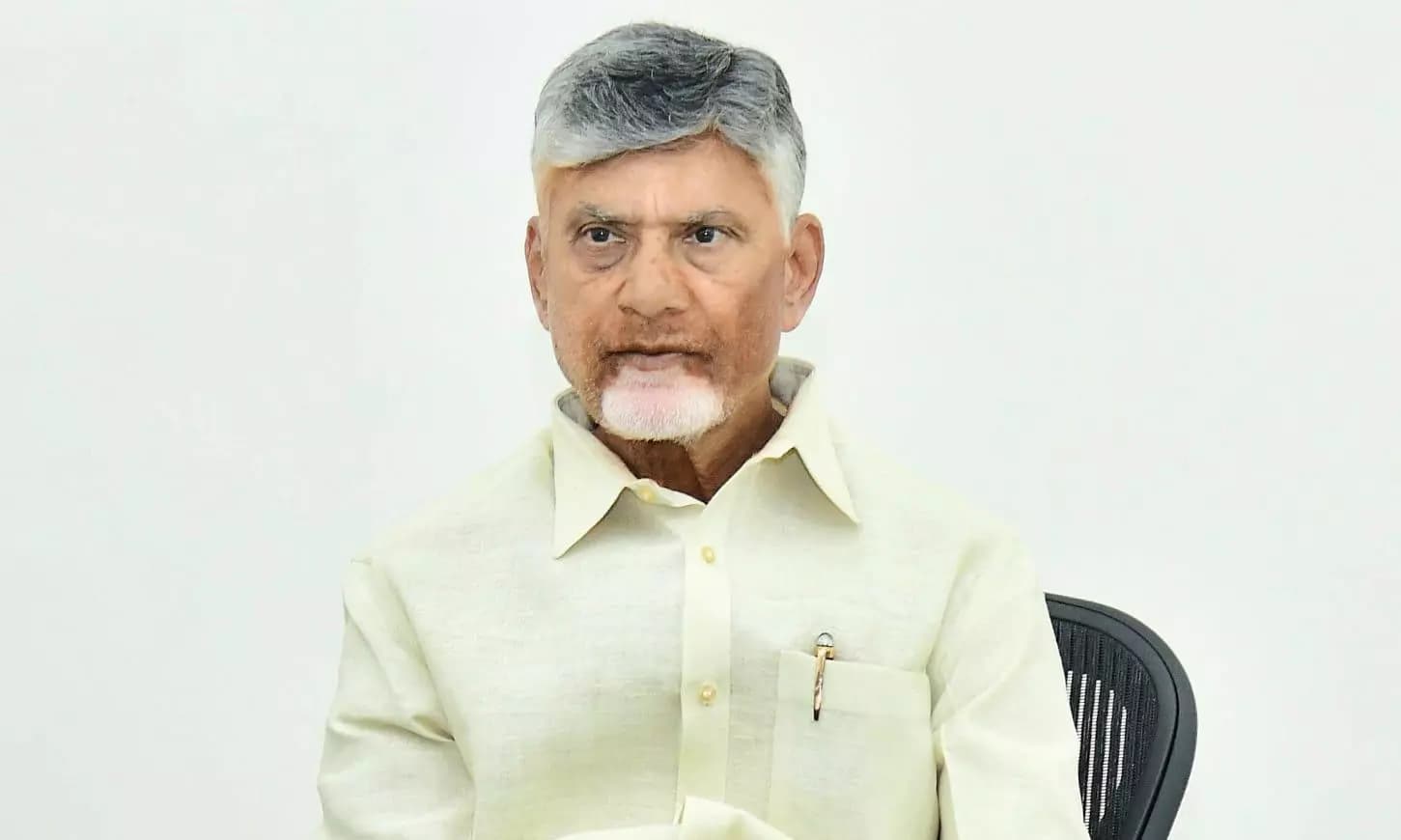
Satya Kumar Yadav, the Health Minister, announced on Saturday that this initiative is being developed under the specific guidance of Chief Minister N. Chandrababu Naidu. The proposed policy seeks to streamline care and support for patients who have historically faced significant challenges in accessing treatment.
Key Components of the Rare Disease Policy
The government's plan for the rare disease policy includes several foundational pillars intended to improve patient outcomes. A primary goal is the creation of a centralized state-level registry to track patients effectively. Furthermore, the initiative focuses on specialized training for healthcare professionals to better diagnose and manage these complex cases, alongside the development of dedicated referral centers for consistent care and treatment.
Expressing deep concern for the plight of those impacted, Satya Kumar Yadav highlighted that many patients are severely restricted in their daily lives, often confined to their homes or wheelchairs due to their conditions. The state aims to mitigate these struggles by providing robust healthcare services and support systems.
Under the existing National Policy for Rare Diseases, disorders are categorized into three distinct groups. The first category includes diseases treatable through a single intervention. The second group covers conditions that require long-term management at a manageable cost, while the third category consists of complex disorders necessitating continuous, high-cost medical care. Currently, the framework identifies 66 specific rare diseases that fall under these categories.
To bolster the infrastructure required to implement this policy, the state may receive funding of up to ₹5 crore from the central government. This financial support is earmarked for the procurement of essential medical equipment to be installed in selected healthcare facilities across the region. This development represents a crucial step forward in addressing the critical healthcare needs of vulnerable populations in the state, ensuring that patients receive the necessary support to manage their conditions effectively.