AI Chatbots Hit The Dating Scene, Becoming The Lovelorn’s Modern-day Cyrano
AI chatbots are becoming integral to modern dating, assisting users with communication and matchmaking. While platforms integrate these tools to improve efficiency, experts and users remain divided over the potential loss of authentic human connection and the long-term impact on personal relationships.
Highlights
- •AI chatbots are increasingly used as dating coaches to draft messages and provide advice.
- •Major apps like Hinge, Tinder, and Bumble are integrating AI to streamline matchmaking.
- •Studies indicate widespread public concern that AI may hinder creativity and authentic relationships.
- •Users remain divided on whether using AI in dating offers efficiency or masks true personality.
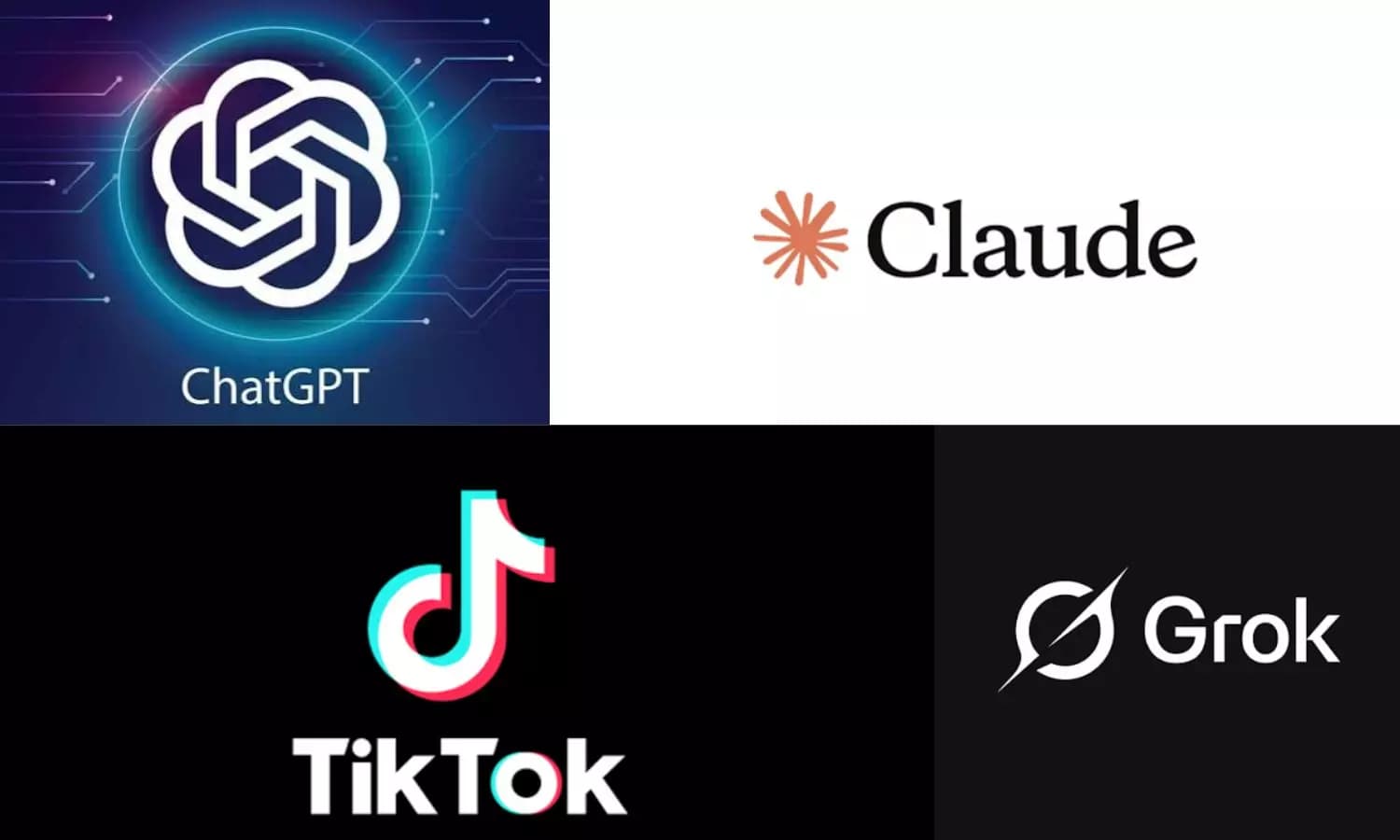
The integration of AI chatbots into the dating scene is rapidly transforming how individuals approach romantic connections. As technology advances, many people now rely on artificial intelligence as a modern-day surrogate to navigate the complexities of digital courtship. Whether drafting messages or seeking relationship advice, users are increasingly turning to tools like OpenAI’s ChatGPT, Anthropic’s Claude, Google’s Gemini, and xAI’s Grok to bridge the gap in their communication.
For many, AI chatbots serve as personal dating coaches, helping to overcome the anxiety associated with initiating conversations on various platforms. While proponents argue that this technology improves efficiency and ensures kinder, more effective communication, others remain skeptical about outsourcing the emotional core of human relationships. The use of these tools, much like the literary figure Cyrano de Bergerac providing words for another, raises questions about the authenticity of the romantic experience.
The Impact of AI on Modern Romance and Human Connection
The professional landscape of matchmaking is also shifting. Major dating applications are embedding AI directly into their services to enhance user experience. Tinder has introduced features like Chemistry, while Hinge utilizes artificial intelligence for profile building and conversation starters. Even Bumble has signaled a strategic shift toward AI-driven matchmaking, aiming to refine how users connect in an increasingly digital world. Despite these innovations, significant reservations persist regarding the reliance on technology for deeply personal life events.
Recent data, such as a 2025 survey from the Pew Research Center, highlights widespread concerns about the impact of these tools on creativity and relationship formation. Many adults fear that overreliance on AI will diminish the capacity for genuine, unscripted human interaction. Skeptics, including individuals like Clara Sullivan and Mohammed Nizami, argue that introducing an algorithmic filter between potential partners undermines the authenticity required for a meaningful foundation. They contend that while chatbots may offer comfort or convenience, they cannot replicate the complex emotional understanding inherent in human love.
Ultimately, the role of AI in dating remains a contentious issue. While some users appreciate the assistance in breaking the ice or ending relationships with greater grace, others view it as a troubling sign of a societal shift. As the dating industry continues to embrace automated solutions, the challenge for users will be balancing technological efficiency with the desire for authentic, human connection. The debate over whether such tools enhance or diminish the search for a partner shows no sign of settling as these systems become more sophisticated and deeply ingrained in daily social practices.